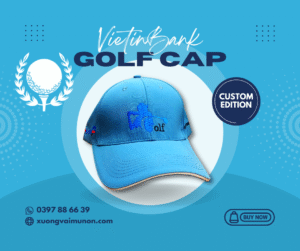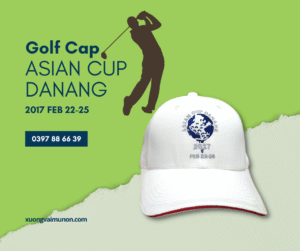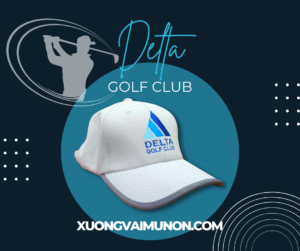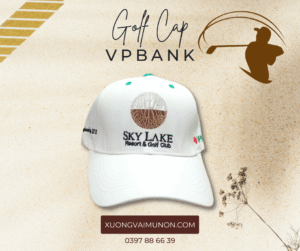
Trong chiến lược phát triển thương hiệu và đồng phục doanh nghiệp, việc đầu tư vào cap linings sweatbands chất lượng cao đóng vai trò vô cùng quan trọng.
There is one interior detail that most cap buyers overlook — until the feedback comes in: “itchy after long wear” or “sweat stains showing through to the outside.” That is when it becomes clear: the sweatband and inner lining are not optional upgrades. They determine whether a cap gets worn every day or ends up in a drawer.
What Is a Sweatband and Why Does It Matter? – Tiêu Chuẩn Cap Linings Sweatbands – Tiêu Chuẩn Cap Linings Sweatbands
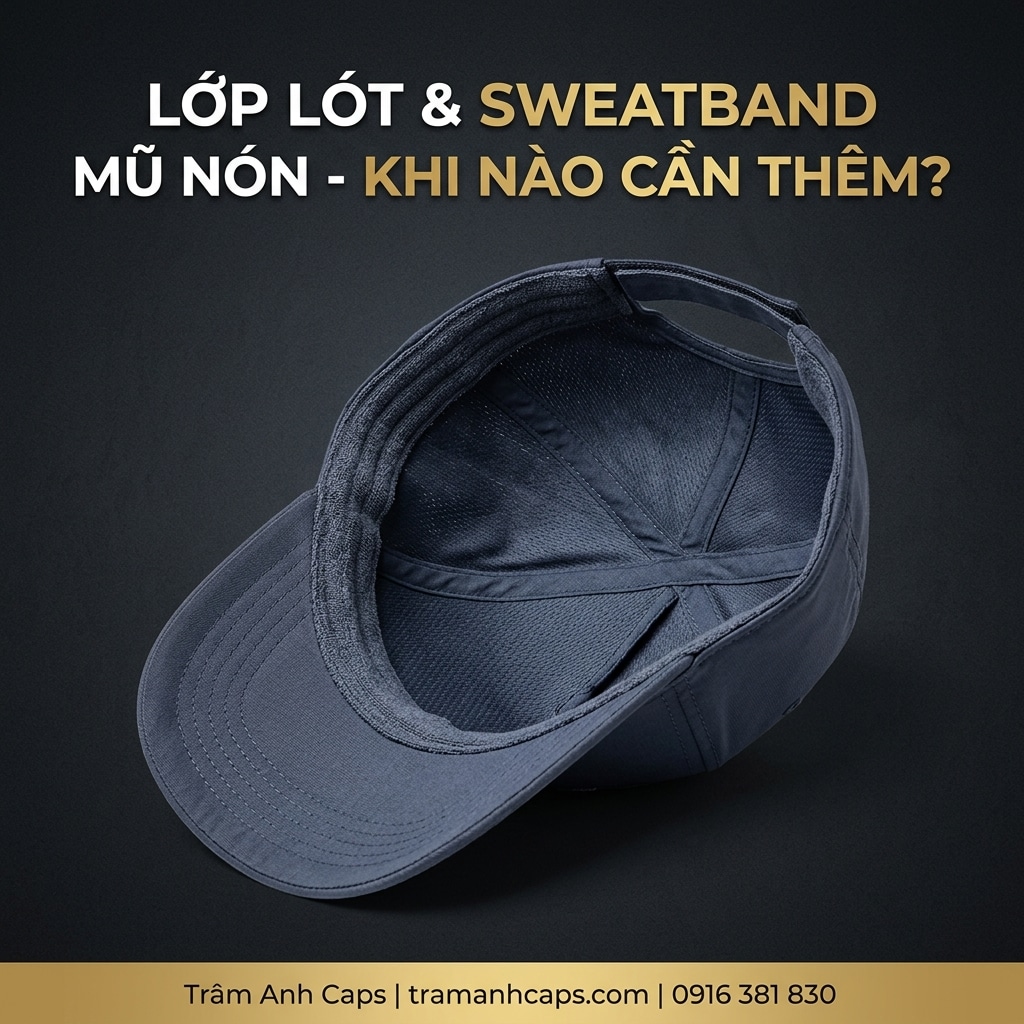
A sweatband is a strip of fabric sewn along the inner circumference of a cap, positioned where the cap contacts the forehead. Its primary function is to absorb perspiration, prevent sweat from running down the face, and protect the outer shell fabric from yellowing and staining over time.
In caps without a sweatband, the outer shell fabric sits directly against the forehead. For caps worn all day — especially outdoors or during physical activity — this results in sweat absorption into the main fabric, leading to odour, visible staining, and accelerated fabric degradation. For a deeper understanding of how different fabrics respond to sweat and washing, see our guide on kaki, cotton, and polyester cap fabrics compared.

When Should You Add a Sweatband?
- Outdoor workers: Construction sites, delivery staff, golf caddies, agricultural workers — a sweatband is non-negotiable. When choosing the optimal cap template for your industry, consult our breakdown: Popular Types of Hats and Caps for Businesses, Schools, and Events (Updated 2026).
- Full-shift uniforms: Caps worn for 8–10 hours per day benefit significantly from a sweatband — noticeably reducing the itching and trapped-heat sensation over a long shift
- Non-absorbent outer fabrics: Polyester and stiff kaki shells do not absorb moisture — a cotton sweatband compensates for this directly at the point of skin contact
- Elevating perceived quality: A cap with a clean, finished sweatband simply feels more complete when handled — an important factor when presenting branded merchandise to a client or partner
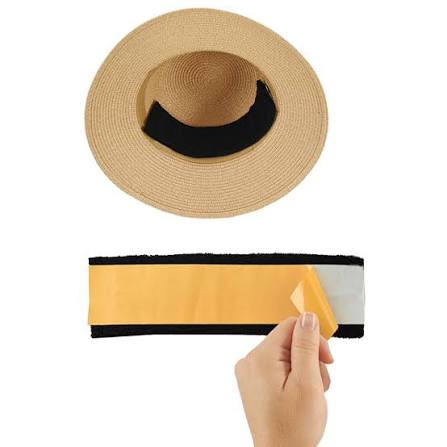
Sweatband Materials – Comparison
| Material | Advantages | Limitations | Best For |
|---|---|---|---|
| Cotton terry | Best moisture absorption, soft feel | May fade slightly after repeated washing | Uniform caps, all-day outdoor wear |
| Cotton twill | Durable, holds shape well | Less absorbent than terry | Promotional caps, short-term event use |
| Satin | Smooth, premium appearance | Does not absorb moisture | Fashion caps, low-activity use |
| Mesh | Maximum air circulation | No absorption — ventilation only | Sports and outdoor caps |
| Coolmax / Dri-FIT | Fast moisture wicking, technical performance | Higher cost than standard materials | Golf caps, premium running headwear |
Full Inner Lining – Beyond Appearance
Some caps include a full lining — fabric covering the entire interior of the cap, not just the sweatband strip. A full lining serves three distinct purposes:
- Concealing interior seams: The inside of the cap looks clean and finished — important for premium branded merchandise and gift caps
- Improving comfort: The soft lining layer separates the scalp from hard structural materials like buckram or foam — preventing itching during extended wear
- Protecting hair: Particularly relevant for women’s caps — a satin lining prevents friction that causes frizz and static during long periods of wear
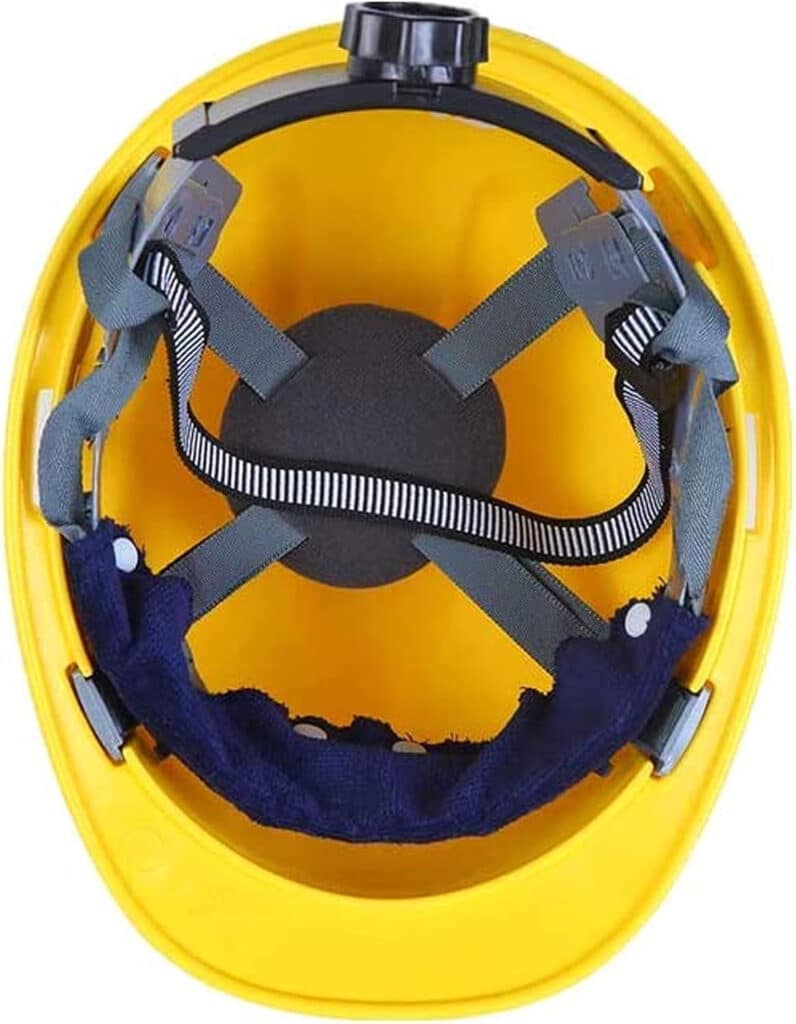
Matching Lining Specification to Industry and Environment
- F&B / restaurant chains: Cotton terry — withstands kitchen heat, holds up through frequent laundering
- Retail, showrooms, sales teams: Satin lining or cotton twill — gives a premium, consistent finish appropriate for client-facing uniforms. Related: Breathable cap fabrics for business uniforms
- Construction, outdoor technical roles: Mesh or Coolmax — maximum heat dissipation for extended outdoor shifts
- Short-term event giveaways: Basic cotton twill sweatband, or omit lining entirely if budget requires
💡 Ordering note: If sweatband material is not specified in the order sheet, the factory will default to the cheapest available option. Always specify sweatband type explicitly to ensure the result matches your expectation. For a complete overview of cap accessories to specify when ordering, see our guide on cap hardware and accessories.
When You Don’t Need Full Interior Lining
Not all caps require a full interior lining. Trucker caps with mesh back panels already provide ventilation that compensates for the lack of lining. Bucket hats in soft cotton already offer comfortable skin contact without additional lining. Large-volume promotional caps with tight budgets often omit interior lining entirely as a cost optimization.
A practical rule: if the cap is worn daily in a physically active environment — invest in a sweatband. If the product is positioned as premium — add a full lining. If it is a giveaway cap used only a few times — a basic sweatband is sufficient.
Need Advice on Sweatband and Lining Options for Your Order?
Tram Anh Caps recommends the right interior specification for your industry and budget — including fabric swatches on request.
📞 0916 381 830 (Mr. Dao) | [email protected] | Contact Us →
Tham khảo thêm kiến thức chuyên sâu về chất liệu tại Bách khoa toàn thư Dệt may.