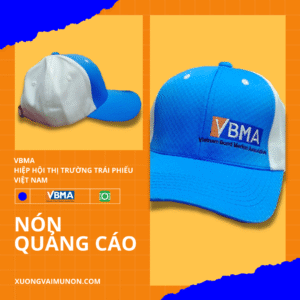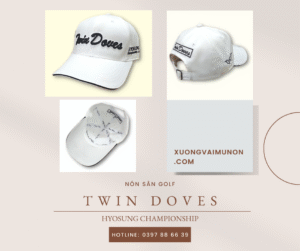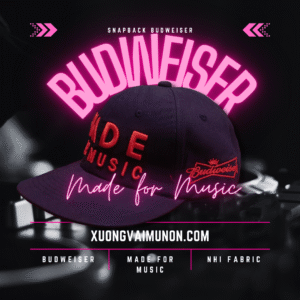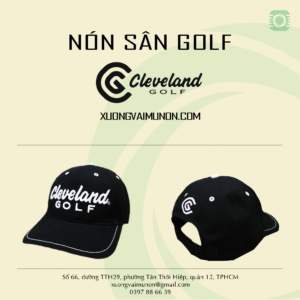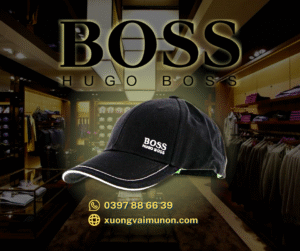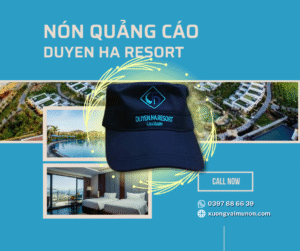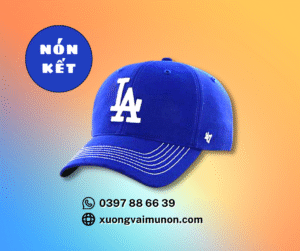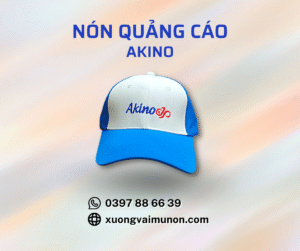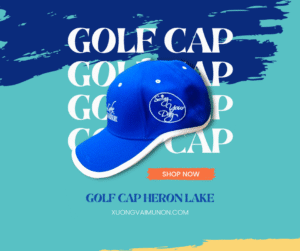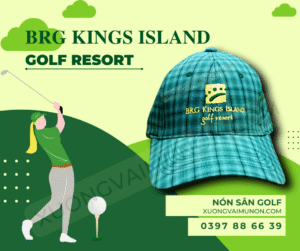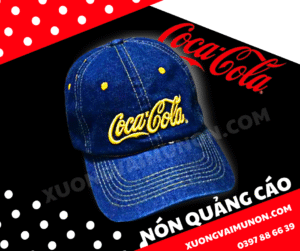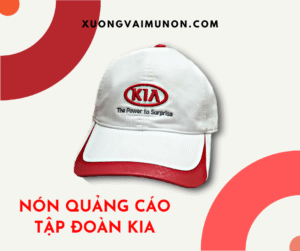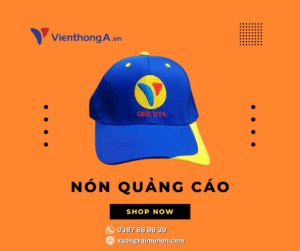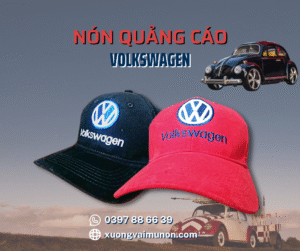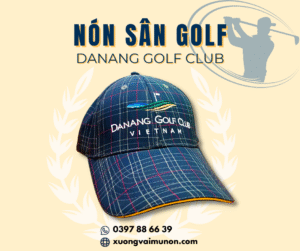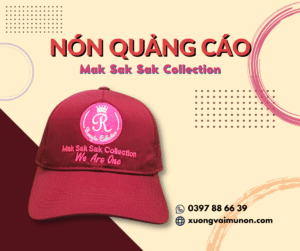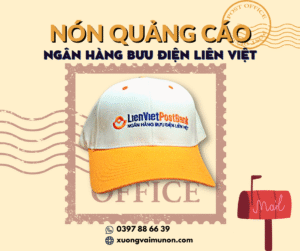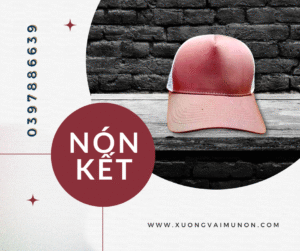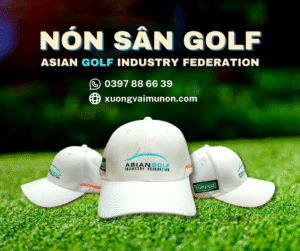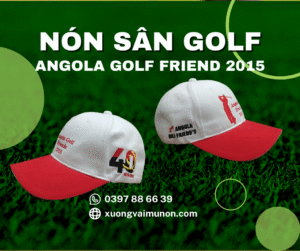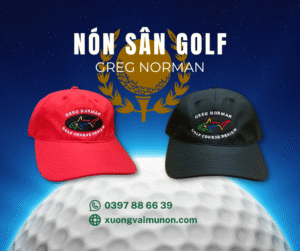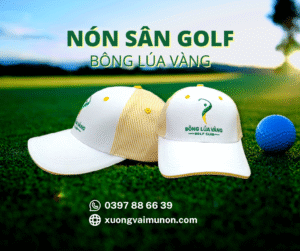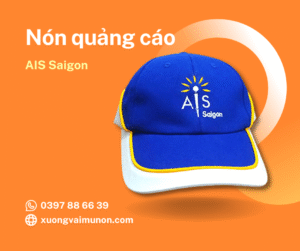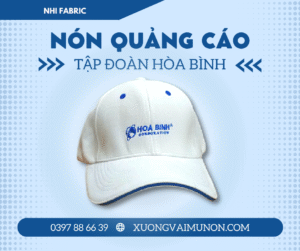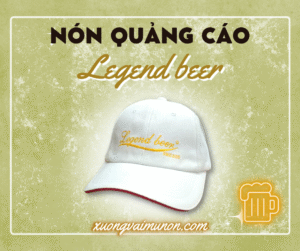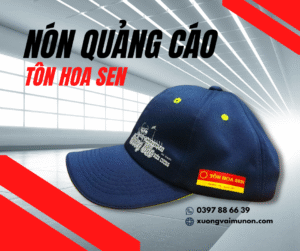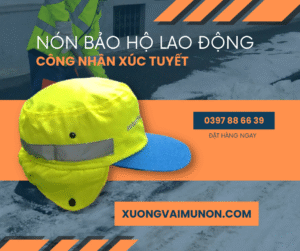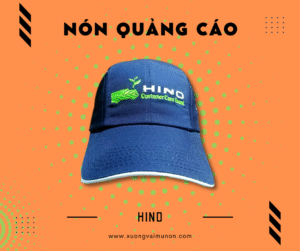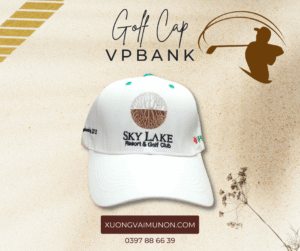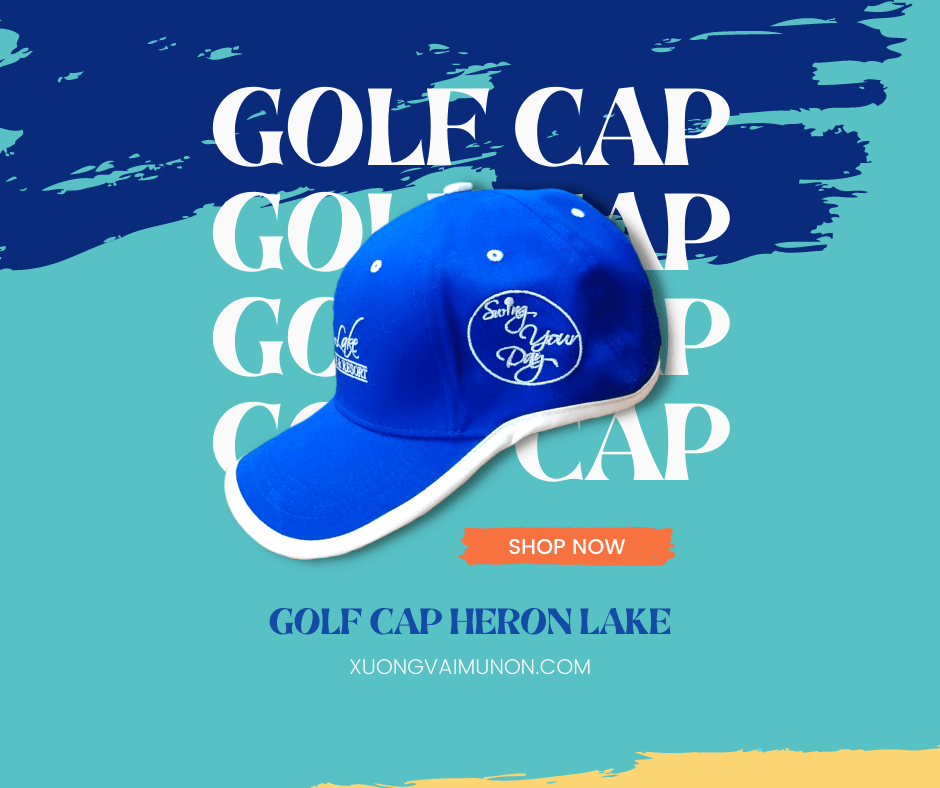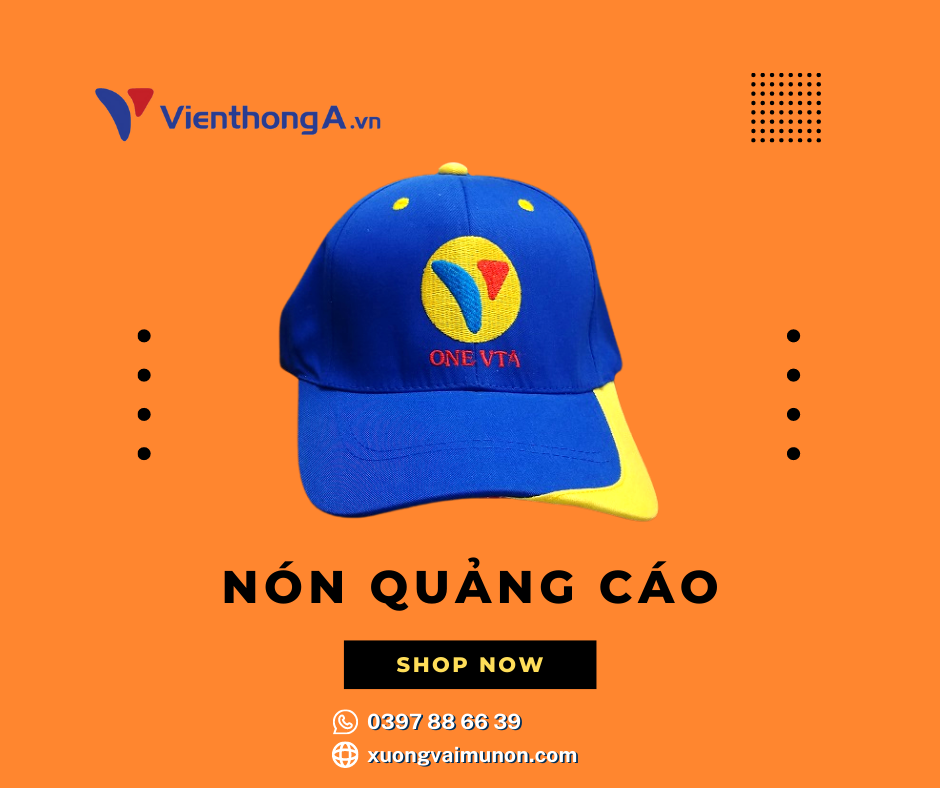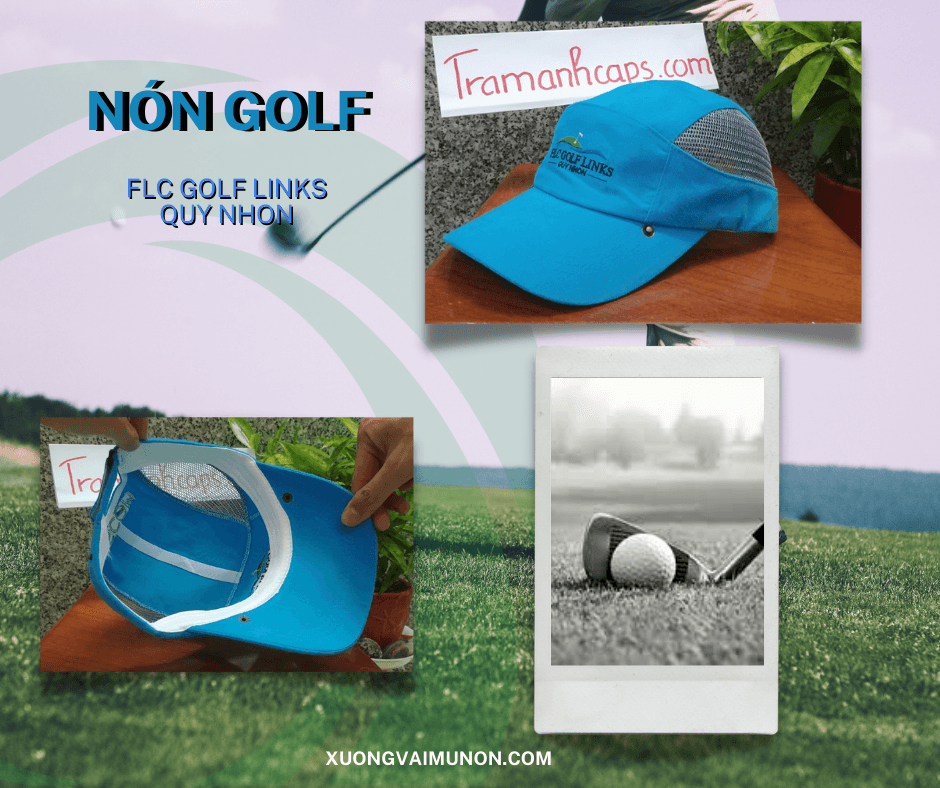
Corporate uniform caps are no longer just accessories handed out to employees for the sake of uniformity. Since 2024, a growing number of businesses in Vietnam are treating the cap as part of their brand identity – and that shift is changing how they design, order, and use these products.
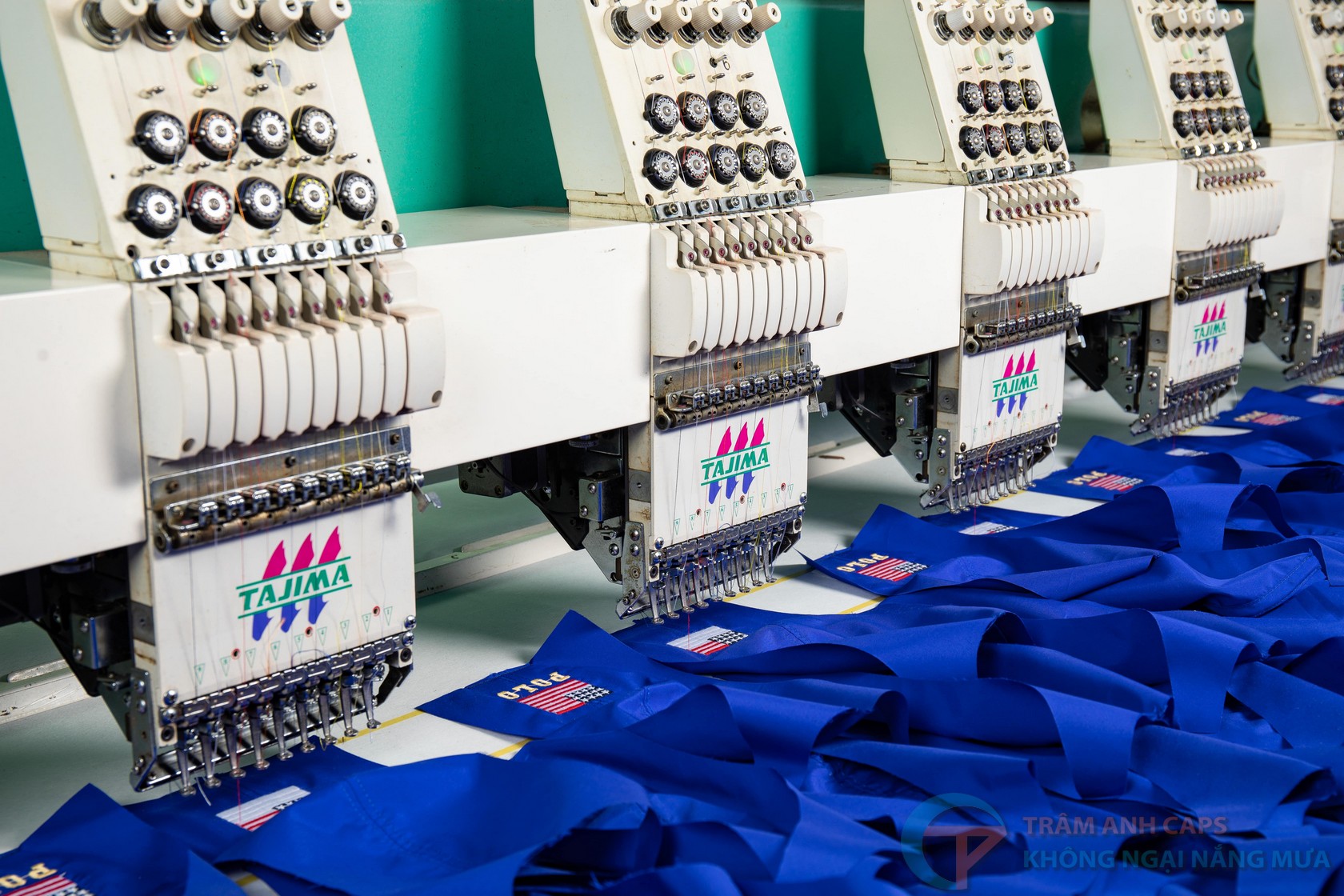
This is not a generic market forecast. These are observations from Tram Anh Caps based on actual orders over the past year – specific shifts in how businesses are choosing cap styles, fabrics, and logo treatment.
Trend 1: Minimalist design – fewer details, better quality
If you look at the orders placed by larger brands over 2024–2025, one pattern stands out: fewer colors, fewer decorative details, but better materials and cleaner stitching.
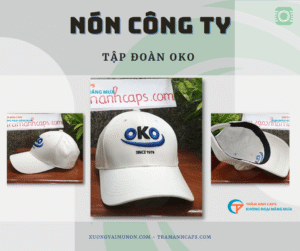
Instead of three- or four-color caps with large logos, more brands are choosing single-color structured caps – black, navy, beige, olive – with a small embroidered logo on the front. The crown is firmer, the fabric heavier, the seams cleaner. The feel in hand is noticeably different from the promotional caps handed out at trade fairs.
This shift reflects a growing awareness among businesses: a uniform cap is a brand representative, not a giveaway item. If an employee feels awkward wearing it in public, the design has already failed.

Colors seeing increased demand:
- Deep navy and charcoal – works with most uniform color systems
- Beige, cream, off-white – popular with F&B, spa, and premium service brands
- Olive green, slate grey – common with startups and tech companies
- All-black – standard for restaurants, bars, and evening events
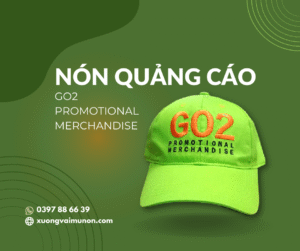
Colors on the decline: neon orange, lime yellow, bright red – unless they are the brand’s official primary color.
Trend 2: Subtle logos – smaller, placed with more intention
This is the most visible shift compared to five years ago. Previously, many businesses wanted the logo as large as possible – covering the full front panel, sometimes with a slogan on one side and a secondary logo on the back.
Now the opposite approach is gaining ground: smaller logos, offset to one side, or appearing only on the side panel. One increasingly requested technique is tone-on-tone embroidery – using thread that matches the fabric color, so the logo is visible only up close. This approach communicates quality far more effectively than a large, high-contrast logo.
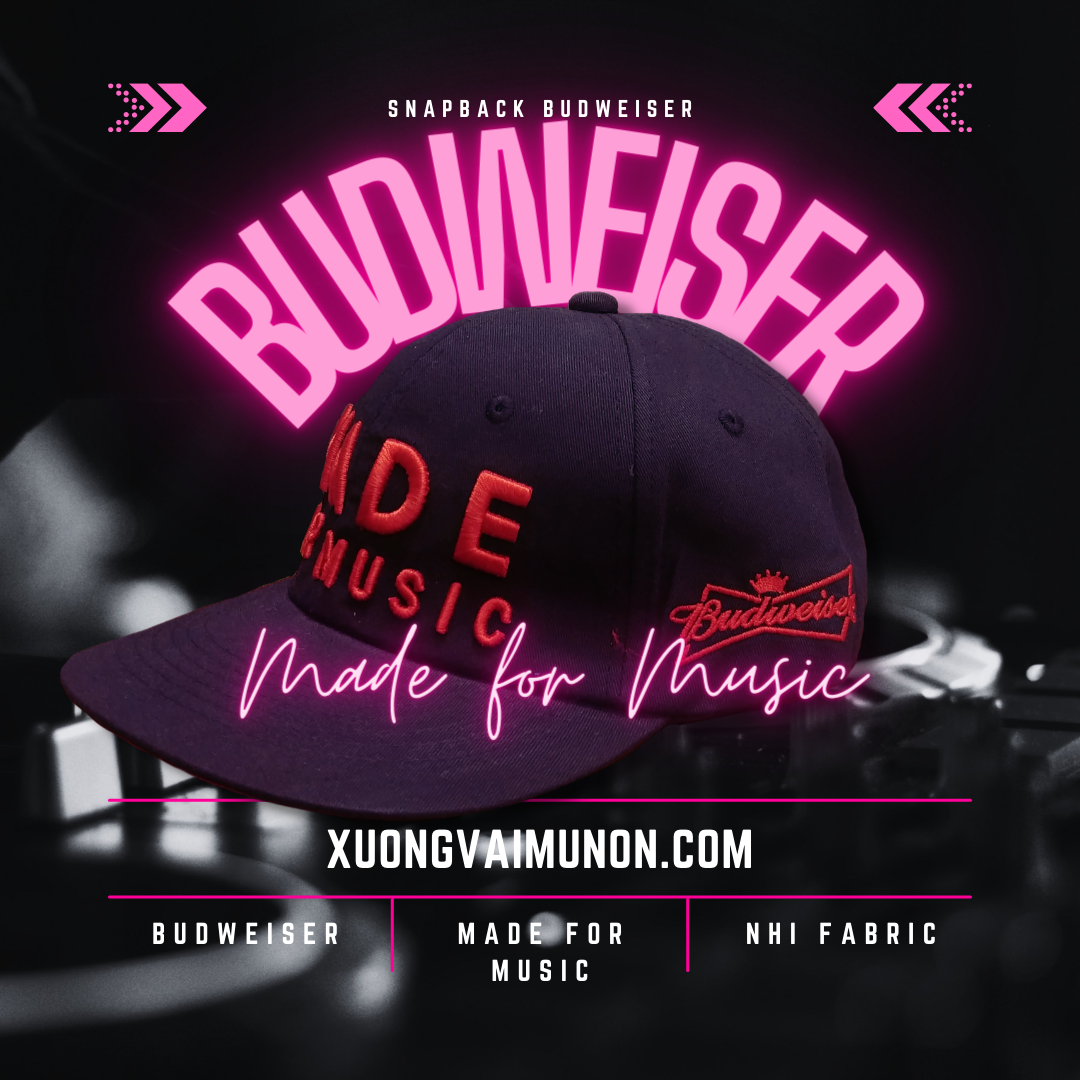
Technically, subtle logos and tone-on-tone embroidery require more precision than screen-printed large logos. Thread density must be exact, color matching must be accurate, and the embroidery machine must have sufficient resolution. This is why the trend tends to appear in orders from brands that already have experience selecting factories – they know what requires good craftsmanship and what does not.
For a detailed comparison of decoration methods: Cap logo printing vs embroidery – cost, durability, and aesthetics compared.
Trend 3: Personalization – a different cap for each person
Previously, “personalization” in cap production meant: everyone gets the same design, but color varies by department. Now it means something different – many current orders require individual names embroidered on each cap, with every piece carrying different content.
This is particularly common with tech company team orders, startup group orders, sports club kits, and recently, alumni reunion orders where each person wants their own name on their cap. From a production standpoint, this requires a different file-handling process: instead of one embroidery file used across the full batch, each cap needs its own file with unique content.
💡 If you are planning a personalized order: Prepare a complete Excel file with each person’s name, embroidery position, and preferred font before contacting the factory. The clearer your brief, the faster production can start – unclear information typically adds 2–3 days of back-and-forth to the timeline.
Trend 4: Sustainable and eco-friendly materials
This trend is beginning to appear in B2B orders in Vietnam, primarily from two groups: FDI companies with internal ESG policies that require sustainable sourcing, and consumer brands that want to build a sustainability narrative into their products.
The most commonly requested materials are organic cotton and recycled polyester from plastic bottles (rPET). Visually, these fabrics look much the same as conventional alternatives – the difference lies in the material sourcing and the certifications that come with it (GOTS, GRS, OEKO-TEX).
The cost premium is typically 15–30% over comparable conventional fabrics. But for businesses that want to incorporate an environmental responsibility message into their branded products, the cap becomes a physical object with a story to tell.
Secondary trend: Multiple styles within a single order
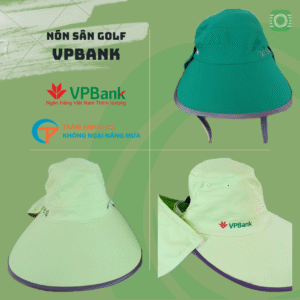
One smaller but notable shift: many recent orders no longer specify a single cap style for the whole company. Instead, they split into two or three variations – a structured baseball cap for outdoor staff, a bucket hat or soft cap for office teams, and sometimes a trucker or 5-panel cap for the events crew.
This reflects a more practical approach to uniform caps – not just visual consistency, but also functional suitability for different work environments. For an overview of the main cap styles available: Popular cap and hat styles for businesses, schools, and events.
What has not changed
Regardless of where trends point, a few factors continue to determine whether an order succeeds: correct fabric weight, logo embroidered to the right Pantone color, delivery on time, and transparent handling of any defects. Design trends come and go, but these remain the foundation of a well-executed production run.
For a full overview of the ordering process from design to production: A-to-Z guide to ordering custom corporate caps.
Want to apply these trends to your brand’s caps?
Tram Anh Caps handles design consultation and custom production – from minimalist premium styles to fully personalized orders. Free quote within 24 hours.
📞 +84 916 381 830 (Mr. Dao) | tramanhcaps@gmail.com | Contact us →