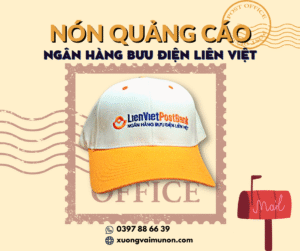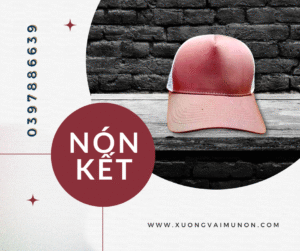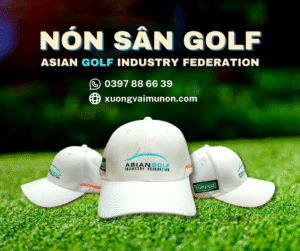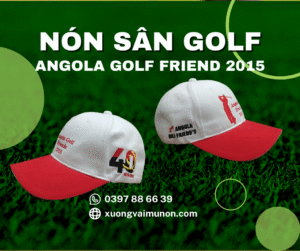
Choosing the wrong fabric is the most expensive mistake when ordering custom caps – and you often only realize it after production is complete. Fabric that’s too thin loses its shape after a few months. The wrong material can make the cap unbearably hot under the sun. This article compares the three most common fabrics so you can choose the right one before placing your order.

Kaki Samsung – The Most Popular Choice for Corporate Caps – Quality Standards for Kaki Samsung, Cotton Vs Polyester For – Quality Standards for Custom Caps
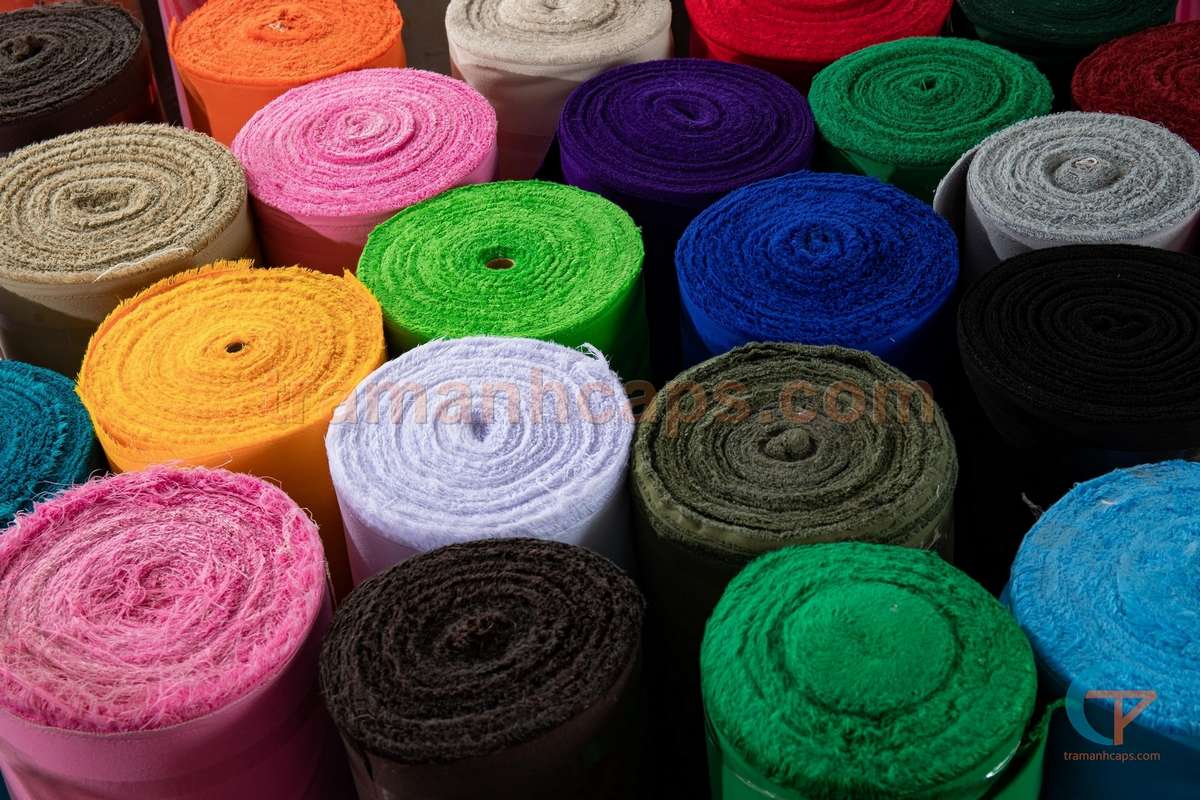
Advantages of Kaki Samsung
- Excellent shape retention: Twill weave provides structure and durability, keeping caps in form even after repeated use
- Good color retention: Maintains color well after multiple washes without fading or yellowing quickly
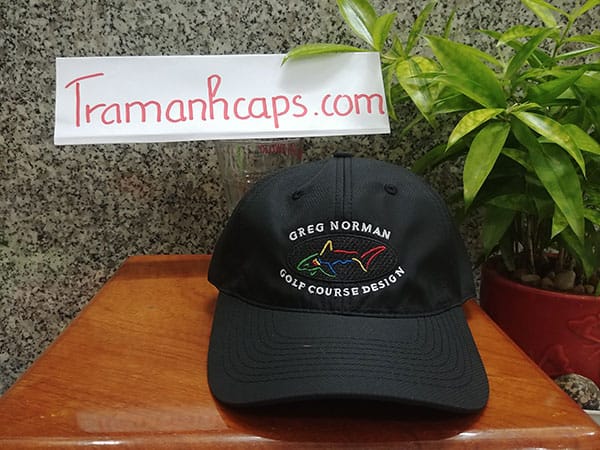
- Ideal for embroidery: Firm surface allows clean, precise stitching without distortion
- Wide color range: Over 30 standard colors to match brand identity
- Cost-effective: Mid-range price with superior overall quality compared to similar fabrics
Limitations of Kaki Samsung
- Less breathable than cotton: Dense weave traps more heat in hot conditions
- Heavier than mesh fabrics: Not ideal for high-intensity sports use
Best Applications
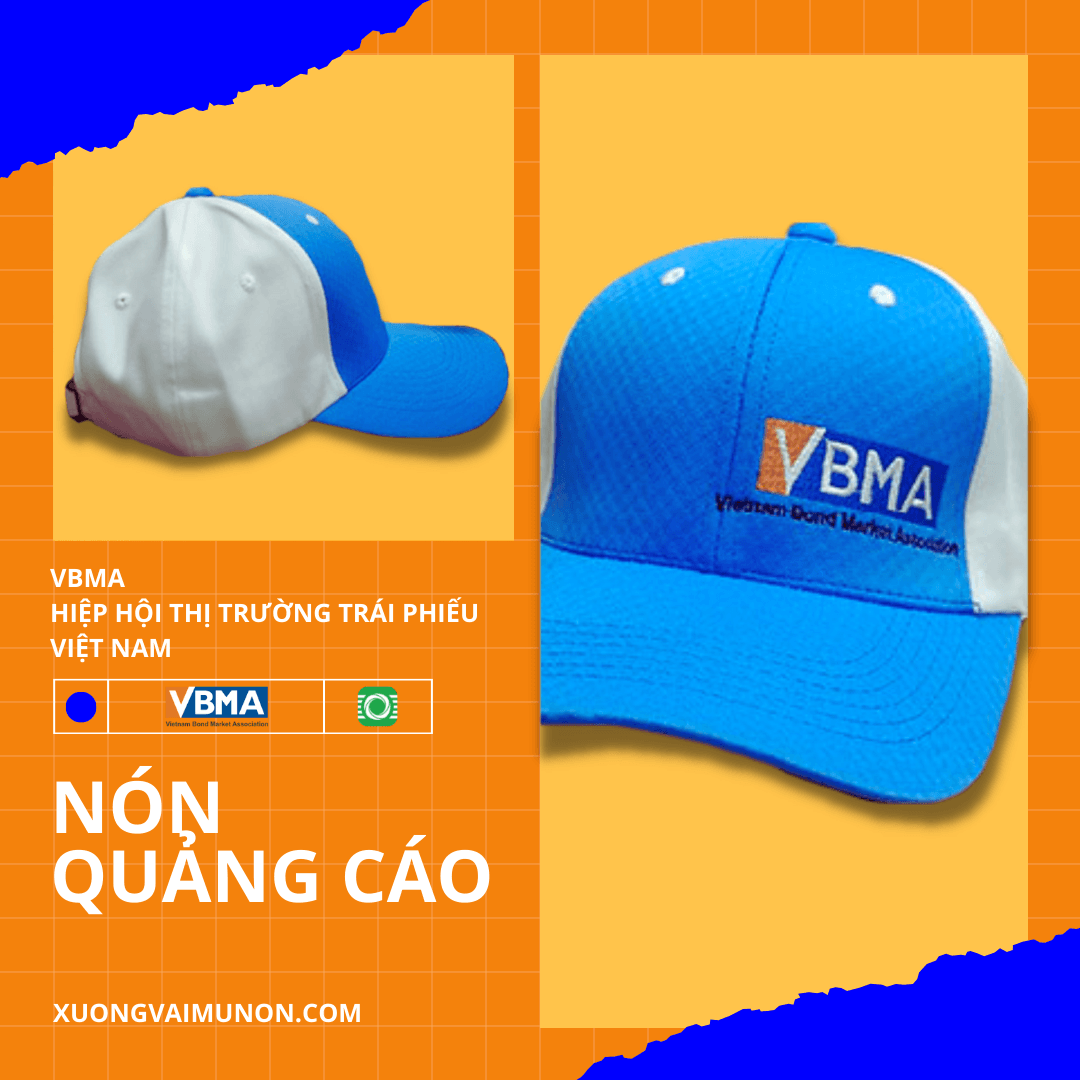
Corporate uniforms, promotional caps with embroidered logos, office wear, events, conferences, and structured baseball caps.Cotton – Soft, Natural, and Breathable
Cotton fibers have a natural hollow structure that absorbs moisture and releases heat effectively. In cap manufacturing, cotton is used in two main forms: 100% cotton and cotton-polyester blends (typically 65/35 or 60/40).Advantages of Cotton
- Highly breathable: Best choice for hot outdoor environments
- Comfortable for long wear: Soft and non-irritating
- Skin-friendly: Suitable for sensitive skin and children
- Eco-friendly option: Organic cotton supports ESG requirements
Limitations of Cotton
- Weaker structure: Requires internal stiffening (buckram) to maintain shape
- Wrinkles easily: Especially 100% cotton
- Color fading risk: Lower-quality cotton may fade after repeated washing
Best Applications
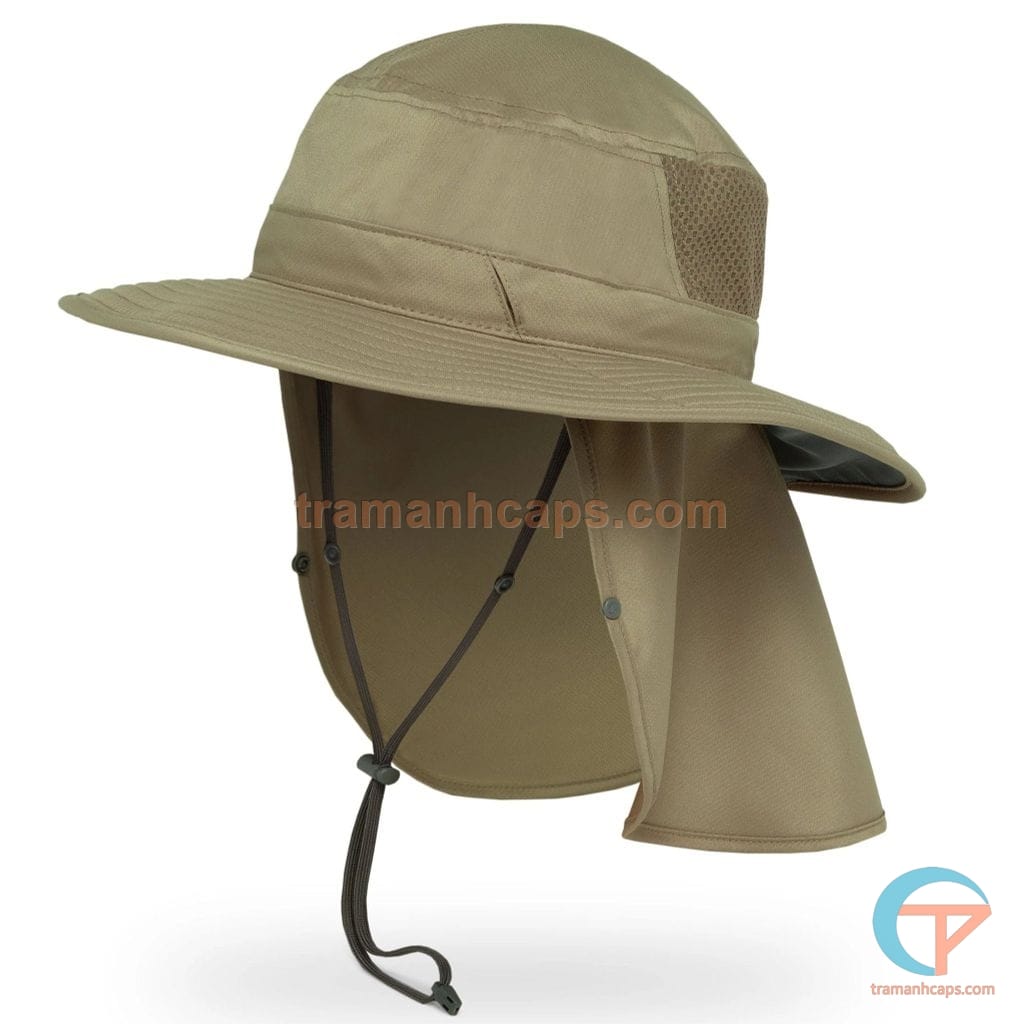
School uniforms, bucket hats, soft caps, eco-friendly products, medical and spa uniforms, and children’s caps.Polyester – Lightweight, Durable, and Colorfast
Polyester is a synthetic fiber known for being lightweight, shrink-resistant, and highly colorfast. It is commonly used in flat weaves for cap panels and mesh for trucker-style backs.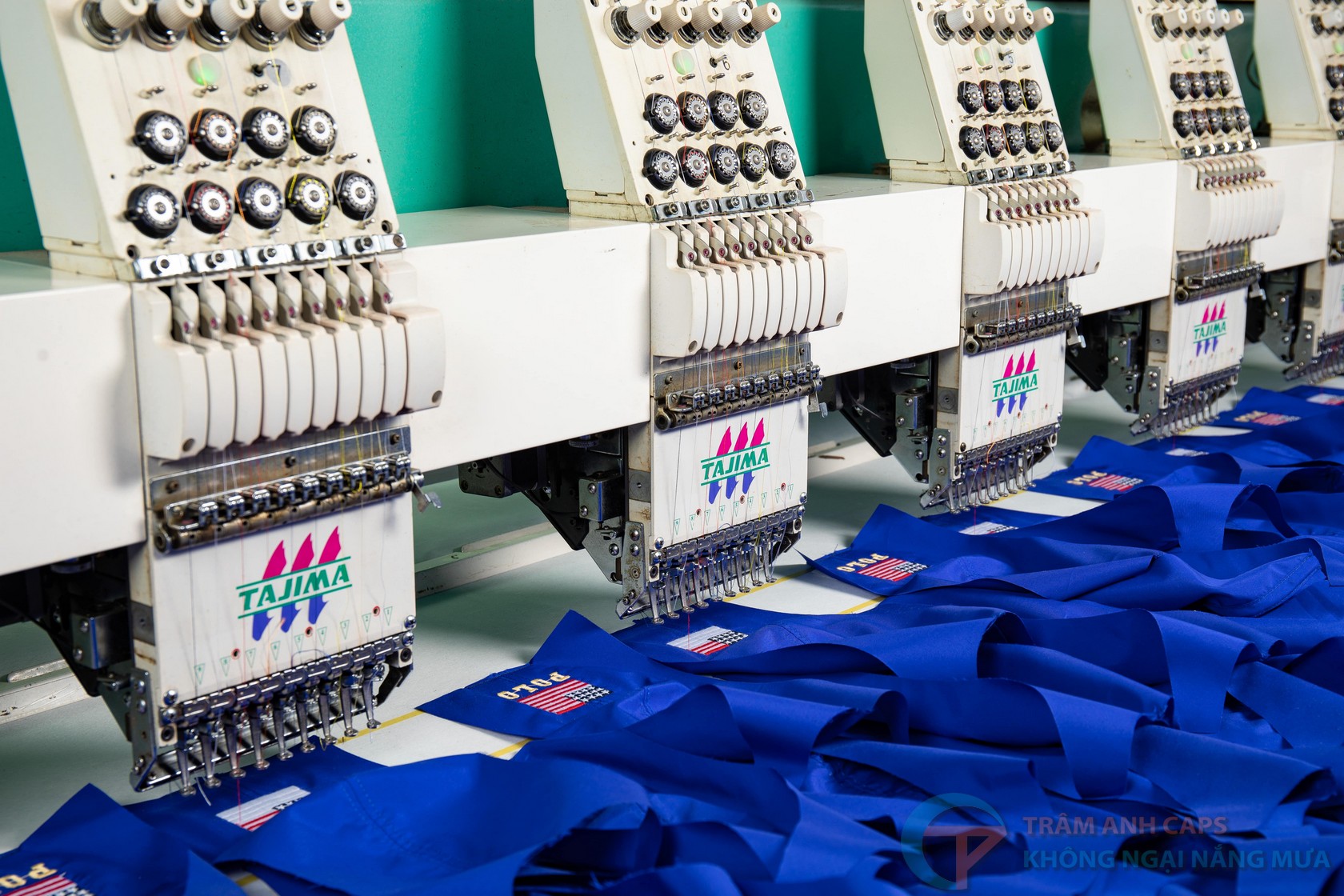
Advantages of Polyester
- Lightweight: Ideal for sports and outdoor use
- Moisture-wicking: Keeps the wearer dry during activity
- No shrinkage: Maintains size after washing
- Excellent color retention: Resistant to fading from sweat or rain
Limitations of Polyester
- Less breathable when static: Can feel hotter than cotton
- More difficult for detailed embroidery: Thin fabric may distort
- Synthetic feel: Less comfortable than natural fibers
- Environmental concerns: Non-biodegradable unless recycled (rPET)
Best Applications
Sports caps, outdoor activities, running caps, logistics uniforms, trucker caps, and heat-transfer printed designs.Blended Fabrics – When to Choose Them?
Blended fabrics combine the strengths of different materials. Common blends include:- Cotton-polyester (65/35 or 60/40): More breathable than polyester, less shrinkage than cotton, and more affordable
- Kaki-spandex (95/5): Adds stretch for fitted caps without adjustment straps
4 Practical Questions to Choose the Right Fabric
- Where will the cap be used? Hot outdoor → cotton. Office/events → kaki. High activity → polyester
- How is the logo applied? Embroidery → kaki. Printing → cotton or polyester
- Does the cap need structure? Structured → kaki. Soft → cotton/polyester
- Any certification requirements? ESG → organic cotton. Recycled → rPET. No requirement → kaki Samsung offers best value
Not sure which fabric to choose?
Tram Anh Caps provides free consultation tailored to your use case and budget – including real fabric samples if needed.
📞 0916 381 830 (Mr. Dao) | [email protected] | Contact us →
Reference international textile and garment manufacturing benchmarks at Textile Manufacturing Industry Overview.
Related Industry Insights:
• Wholesale Baseball Caps: Custom 6-Panel Factory Direct (MOQ 300)
• Custom Cap Manufacturer in Vietnam: Direct Factory OEM & ODM (MOQ 300)