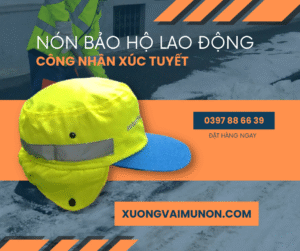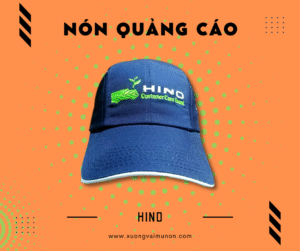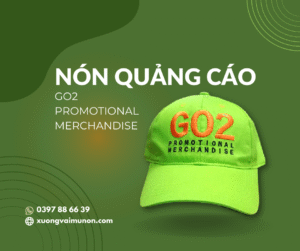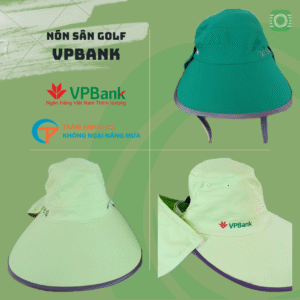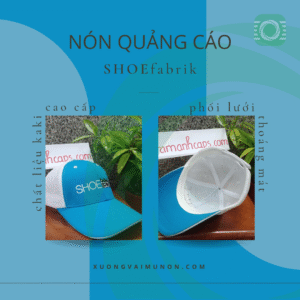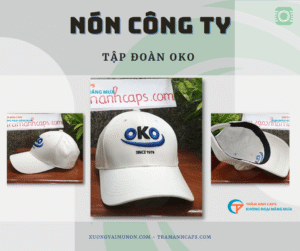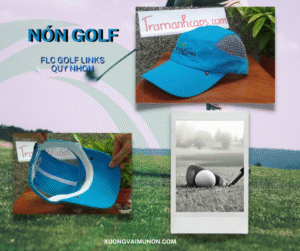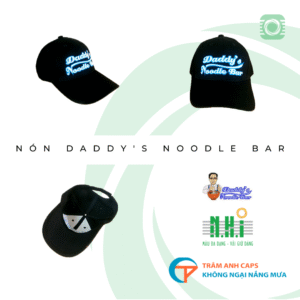
Logistics and warehouse staff work in conditions completely different from office environments — heat, dust, constant movement, and sometimes night shifts. Uniform caps for this industry must withstand heavy daily use while still maintaining clear brand visibility after months of continuous wear. These are the key factors that logistics uniform managers should understand before placing an order.
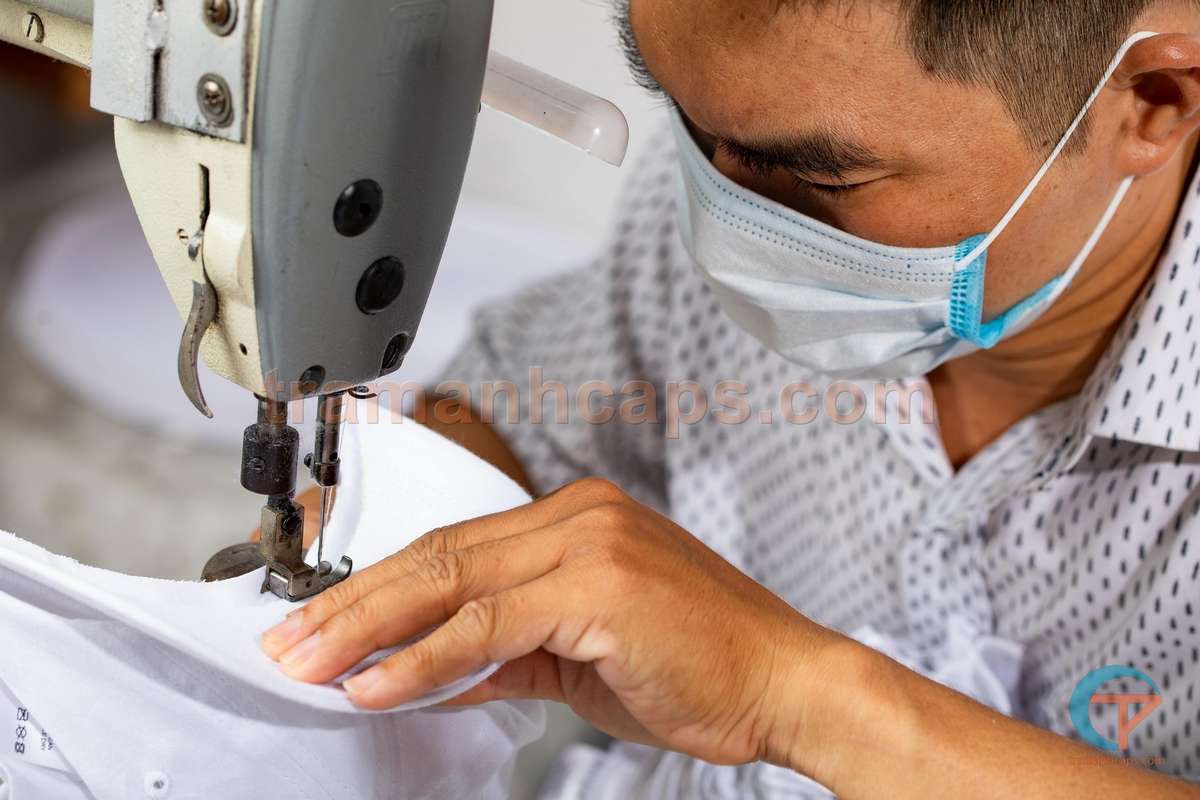
The fundamental difference between office caps and logistics caps – Quality Standards for Uniform Caps For Logistics, Warehouse Outdoor
Office employees wear caps in air-conditioned spaces, with limited exposure to sun and rain, and typically wash their caps less frequently. Logistics staff — delivery drivers, warehouse workers, loaders, and inventory staff — wear caps in much harsher conditions. That is why caps for these two groups require entirely different production standards.
A “good-looking uniform cap” may work perfectly for office sales staff, but it can quickly deteriorate in the hands of delivery drivers working under sun and rain every day. On the other hand, caps that are too heavy or thick are uncomfortable for warehouse staff working inside hot storage facilities.
Material requirements for outdoor workers
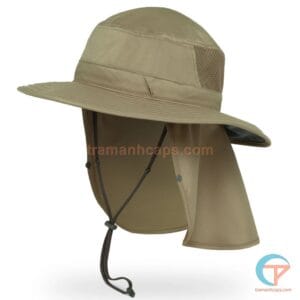
Drivers and delivery staff need caps that can handle specific working conditions:
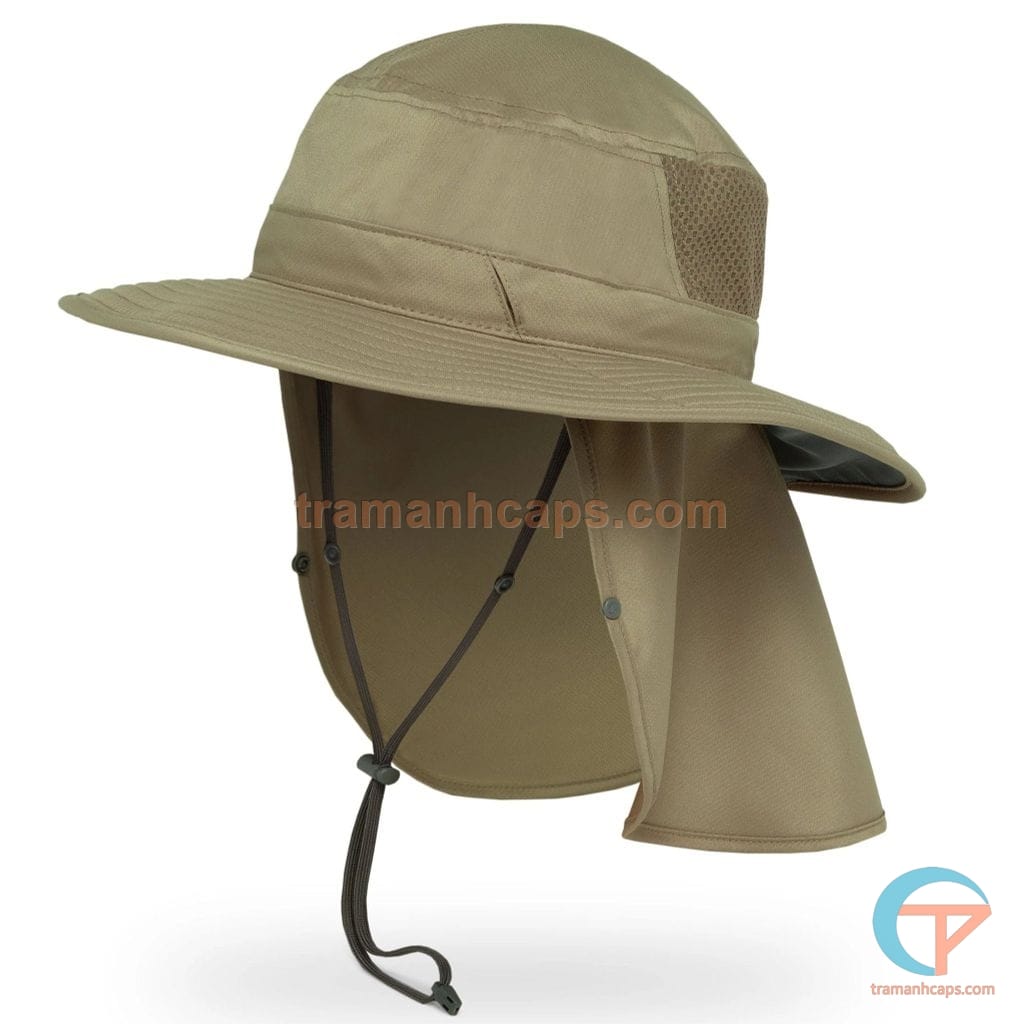
- Effective sun protection: The visor should be firm and wide enough to shield the eyes from harsh sunlight while driving. A soft, floppy visor provides little real protection
- Breathability: Mesh polyester back panels or lightweight technical fabrics are important for workers moving outdoors for hours continuously
- Water resistance: Or at least quick-drying performance after rain exposure — polyester dries significantly faster than cotton
- UV color durability: The logo and cap colors should resist fading after months of regular sun exposure
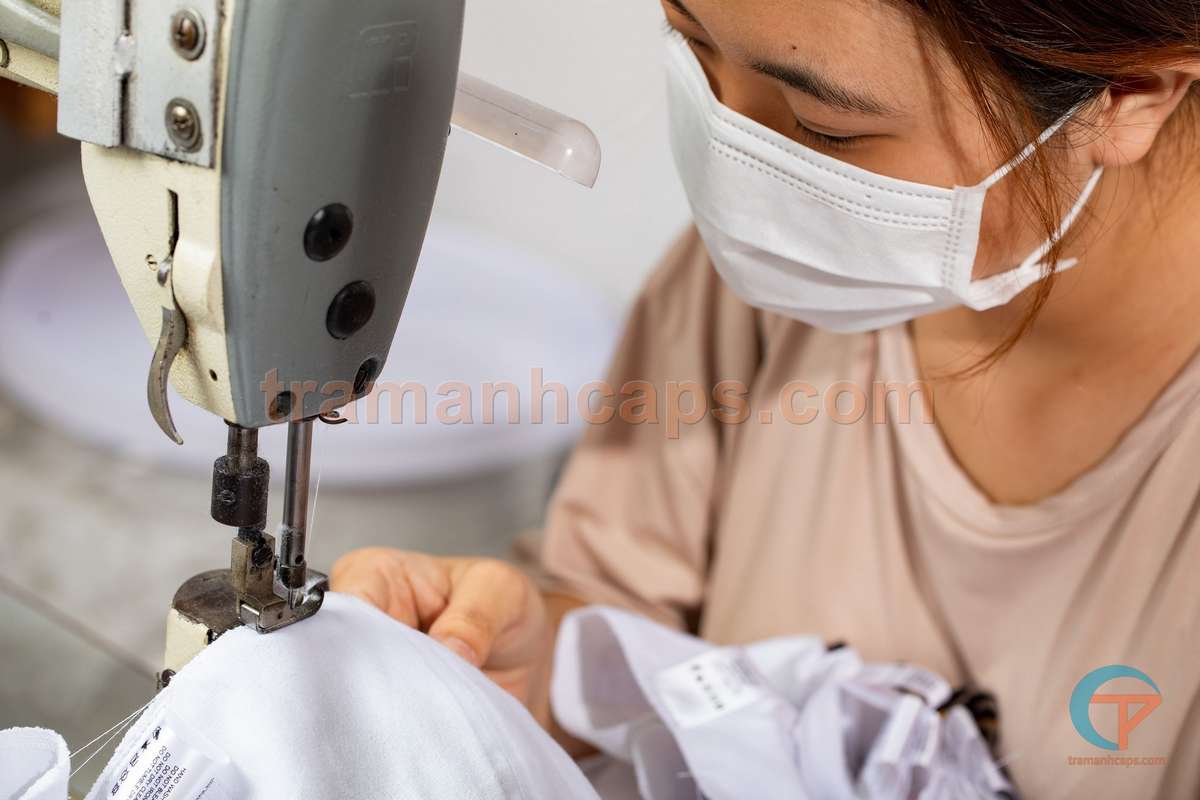
Special requirements for warehouse staff
Warehouse environments come with different challenges: enclosed but often hot spaces, dust from cartons and packaging tape, and employees constantly moving during long shifts.
- Lightweight construction: Lightweight caps (under 100g) help reduce neck fatigue during long working hours
- Easy maintenance: Fabrics that do not attract dust easily, or can be cleaned quickly — cotton often attracts less visible dust compared to static-prone polyester
- Dark or neutral colors: Help the caps appear cleaner in dusty environments
- Convenient adjustment closures: Warehouse staff sometimes need to remove caps quickly — snapback closures are generally more practical than velcro for repeated use
Brand visibility remains an essential requirement
Despite the higher technical requirements, logistics caps must still fulfill their branding function. Delivery drivers represent the company brand at every drop-off point — customers recognize the business through the driver’s uniform and cap.
Embroidery or heat-transfer logos on high-contrast backgrounds improve quick brand recognition. Some large logistics companies even print hotline numbers or website addresses on the back of the caps — turning them into both marketing tools and customer support touchpoints.
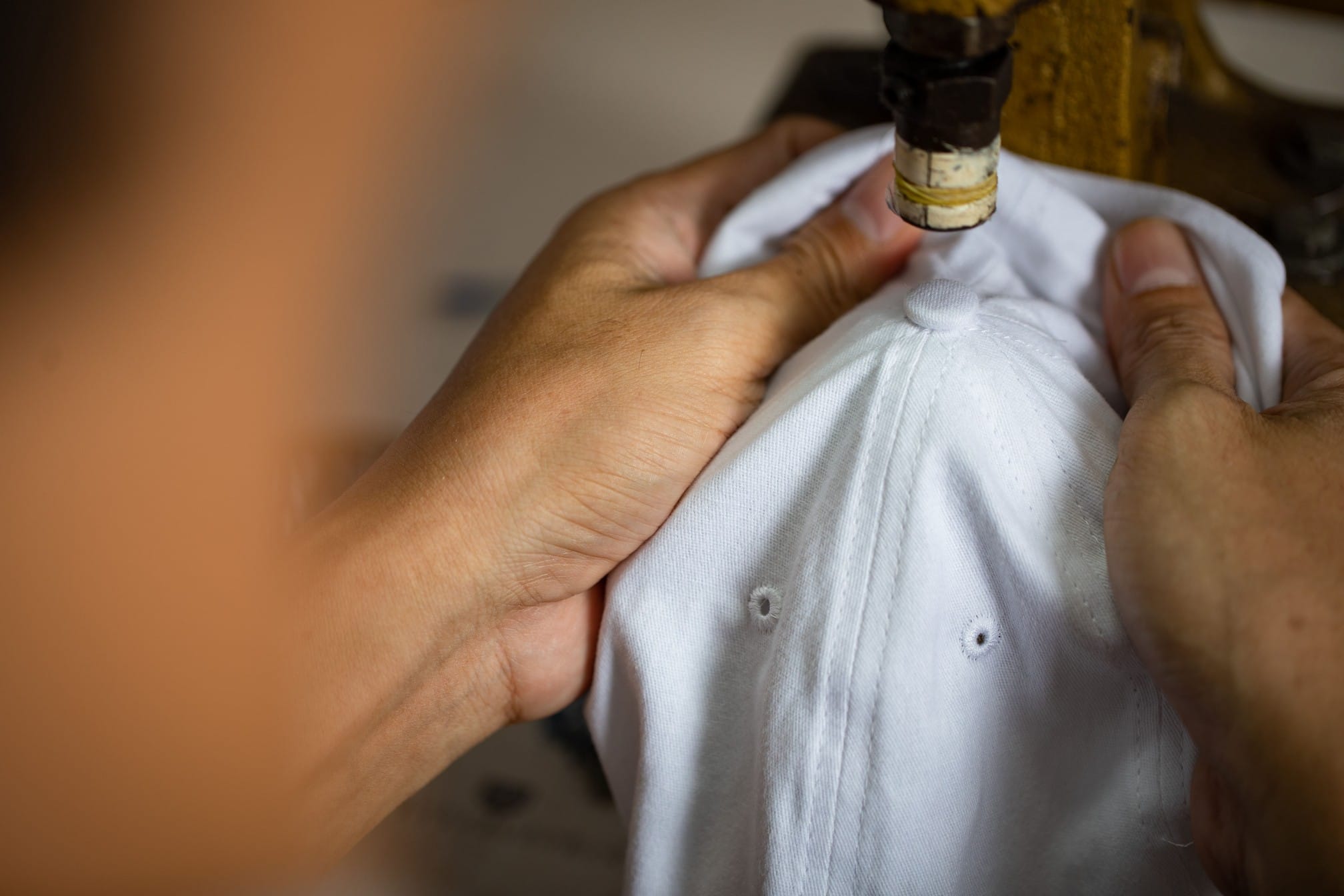
If you are ordering caps for outdoor teams or demanding work environments, explore more material selection guidance here: Kaki, Cotton, Polyester Fabrics: Pros & Cons Comparison and Custom Uniform Caps from A–Z.
Order custom logistics uniform caps for your team
Tram Anh Caps provides material consultation based on real working conditions — ensuring your caps are not only visually professional, but also durable for outdoor and warehouse environments.
📞 0916 381 830 (Mr. Đạo) | [email protected] | Contact us now →
Reference international textile and garment manufacturing benchmarks at Textile Manufacturing Industry Overview.
Production Standards & Quality Commitment by Tram Anh Caps (MOQ 300 Pcs)
When manufacturing custom uniform caps, Tram Anh Caps strictly maintains international quality standards throughout every stage. We handpick premium fabrics including 100% cotton twill, breathable micro polyester, and flexible spandex, integrated with precision 2D/3D embroidery technology to preserve pristine shape retention.
In addition to premium uniform caps, our facility offers comprehensive OEM manufacturing for corporate uniform headwear and custom embroidery caps with strict quality control on every seam. Key details such as comfortable sweatbands and rust-resistant buckles ensure lasting durability.
Operating as a direct manufacturer with no third-party markups, Tram Anh Caps provides genuine factory-direct pricing for corporate partners worldwide. We uphold a mandatory minimum order quantity (MOQ) of 300 pieces per order to maximize production line efficiency and guarantee consistent craftsmanship across bulk export deliveries.