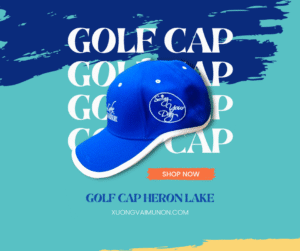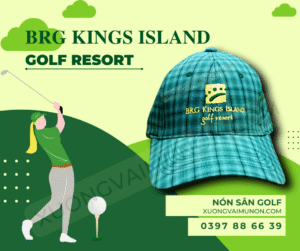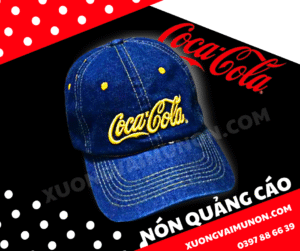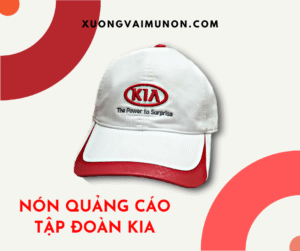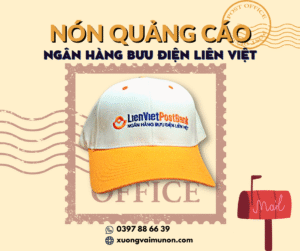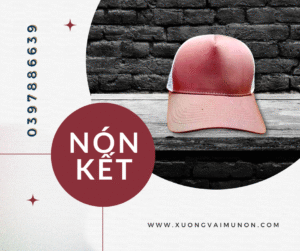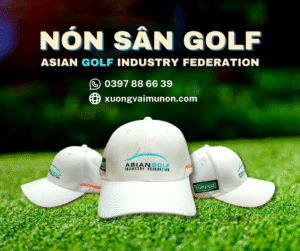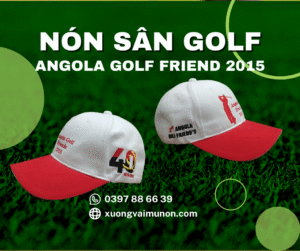
In modern corporate branding and apparel strategy, investing in premium on caps plays a crucial role in enhancing brand identity. In modern corporate branding and apparel strategy, investing in premium heat transfer, screen printing, plays a crucial role in enhancing brand identity.
“Which printing method is the most durable for caps?” — the question sounds simple, but the answer depends on the cap fabric, the number of logo colors, the order volume, and how the cap will be used. No single printing technique is universally best. There is only the technique that fits your specific situation best. This article gives businesses a clear, comprehensive comparison of all four major options.
Heat Transfer Printing – Flexibility for Multi-Color Logos – Quality Standards for Heat Transfer, Screen Printing, Uv Digital – Quality Standards for On Caps
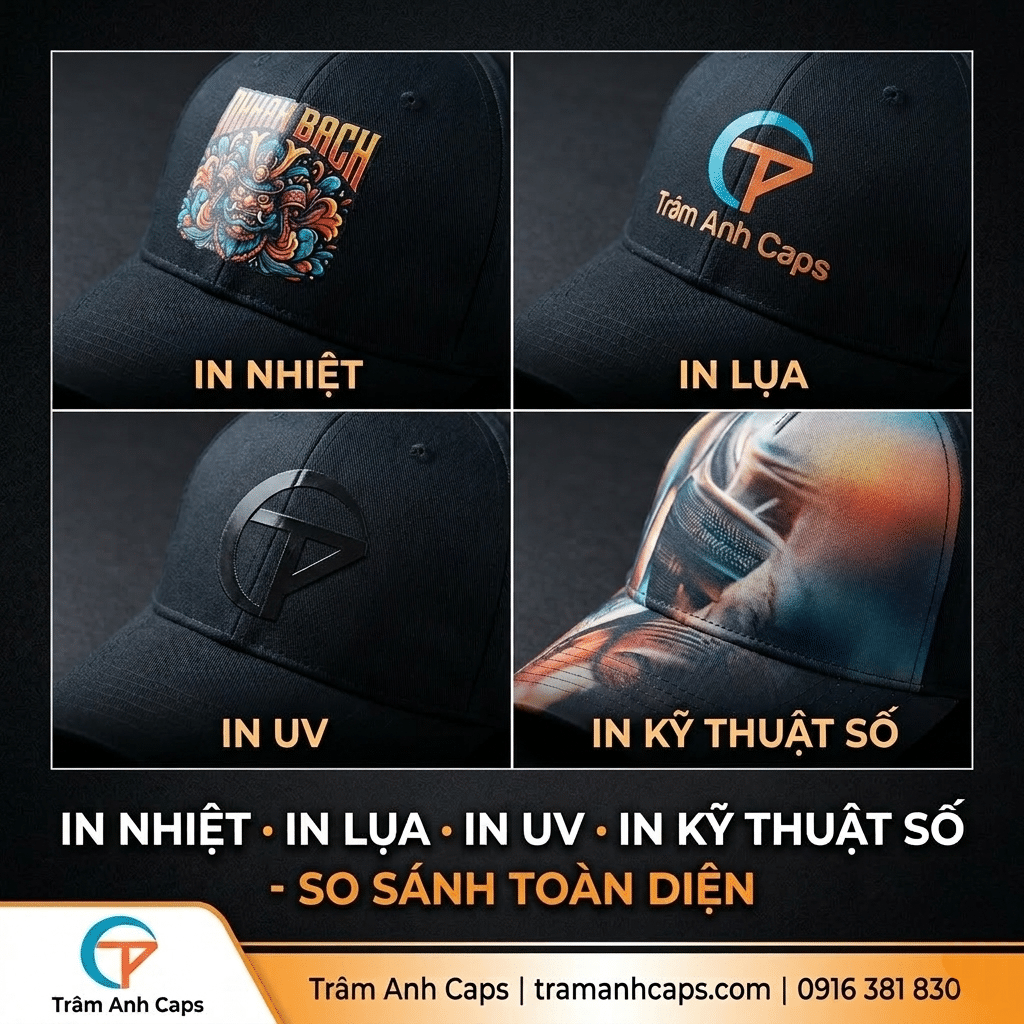
Heat transfer printing uses a pre-printed film that is bonded to the fabric surface using heat and pressure. The logo is first printed onto a specialist transfer film, then transferred onto the cap using a heat press machine. This approach can reproduce full-color gradients and complex imagery that traditional printing methods cannot achieve.
- Advantages: Full-color reproduction including gradients — low tooling cost, no large minimum order requirement
- Limitations: The film layer can peel if print quality is low or caps are washed at high temperatures; a slightly “plastic” feel on touch
- Best for: Orders under 500 pieces, multi-color or detailed logos, event giveaway caps with short-term use expectations
Screen Printing – Industry Standard for Durability
Screen printing is a traditional technique that has been the industry standard for decades. Ink is pushed through a mesh screen onto the fabric surface. Each color requires a separate screen, which is why screen printing works best with 1–3 flat colors. It is the most widely trusted method for export-grade uniform production.
- Advantages: Superior durability — ink bonds with fabric fibers rather than sitting on the surface; colorfast through repeated washing; longest-lasting print lifespan of any method
- Limitations: Higher upfront screen-making cost makes it uneconomical for small runs under 200 pieces; adding more colors increases cost proportionally
- Best for: Orders of 300 pieces or more, 1–3 color logos, uniform caps that will be laundered frequently throughout their service life
UV Printing – Sharp Results on Hard Surfaces
UV printing uses specialized inks that cure instantly when exposed to ultraviolet light. This produces vivid colors with a slight gloss finish — visually striking when seen directly, especially on hard, flat surfaces.
- Advantages: Vivid, high-contrast colors with a slight sheen; instant drying; no separate screen required per color
- Limitations: Not suitable for standard woven fabrics — UV ink does not penetrate textile fibers; most effective on hard, flat surfaces such as plastic visors or rigid cap materials
- Best for: Caps with plastic visor components, stiff-brim caps, safety caps with flat surfaces, golf visors
Digital Printing (DTG / Dye Sublimation) – Maximum Personalization
Digital printing covers two main techniques: DTG (Direct to Garment) prints ink directly onto fabric; dye sublimation transfers ink into the fabric fibers using heat. Both reproduce high-resolution images with rich, unlimited color without requiring individual screens per color. To evaluate these options against traditional embroidery, you can refer to the comprehensive review in Hat & Cap Logo Printing vs Embroidery: A Detailed Comparison of Cost, Durability, and Aesthetics.
- Advantages: Complex imagery at full resolution — ideal for personalized and custom merchandise; sublimation ink bonds with fabric fibers permanently and will not peel
- Limitations: Sublimation is limited to polyester fabrics and cannot be used on cotton; DTG becomes more costly per unit on large runs compared to screen printing
- Best for: Personalized merchandise, premium gift caps, small runs requiring complex or photographic imagery
Full Comparison: All Four Printing Techniques
| Criteria | Heat Transfer | Screen Printing | UV Printing | Digital / DTG |
|---|---|---|---|---|
| Color range | Full color | Best at 1–3 colors | Full color | Full color |
| Durability | ⭐⭐⭐ Moderate | ⭐⭐⭐⭐⭐ Highest | ⭐⭐⭐⭐ High on hard surfaces | ⭐⭐⭐⭐ High (sublimation) |
| Tooling cost | Low | High (1 screen per color) | None required | None required |
| Economic MOQ | From 50 pieces | From 300 pieces | From 100 pieces | From 1 piece |
| Fabric compatibility | Most fabrics | Most fabrics | Hard, flat surfaces | Polyester (sublimation) |
3 Questions That Point to the Right Decoration Technique
- How many colors does the logo have? 1–3 flat colors → screen printing is optimal. Multi-color or gradient → heat transfer or digital
- What is the order quantity? Under 200 pieces → heat transfer or DTG is more cost-effective. Over 300 pieces → screen printing gives the lowest per-unit cost
- Will the caps be laundered frequently? Regular washing → screen printing has the best durability. Single-use event caps → heat transfer is sufficient
If printing options do not provide the premium look or texture required for your brand, embroidery techniques offer a solid alternative. Read our guide on 3D Embroidery, Flat Embroidery & Embroidered Patches on Caps: Which Technique to Use and When to make the right choice.
Need a Printing Method Recommendation for Your Cap Order?
Send your logo and requirements — Tram Anh Caps will recommend the optimal printing solution for your budget and quality expectations, at no cost.
📞 0916 381 830 (Mr. Dao) | [email protected] | Contact Us →
Reference international textile and garment manufacturing benchmarks at Textile Manufacturing Industry Overview.