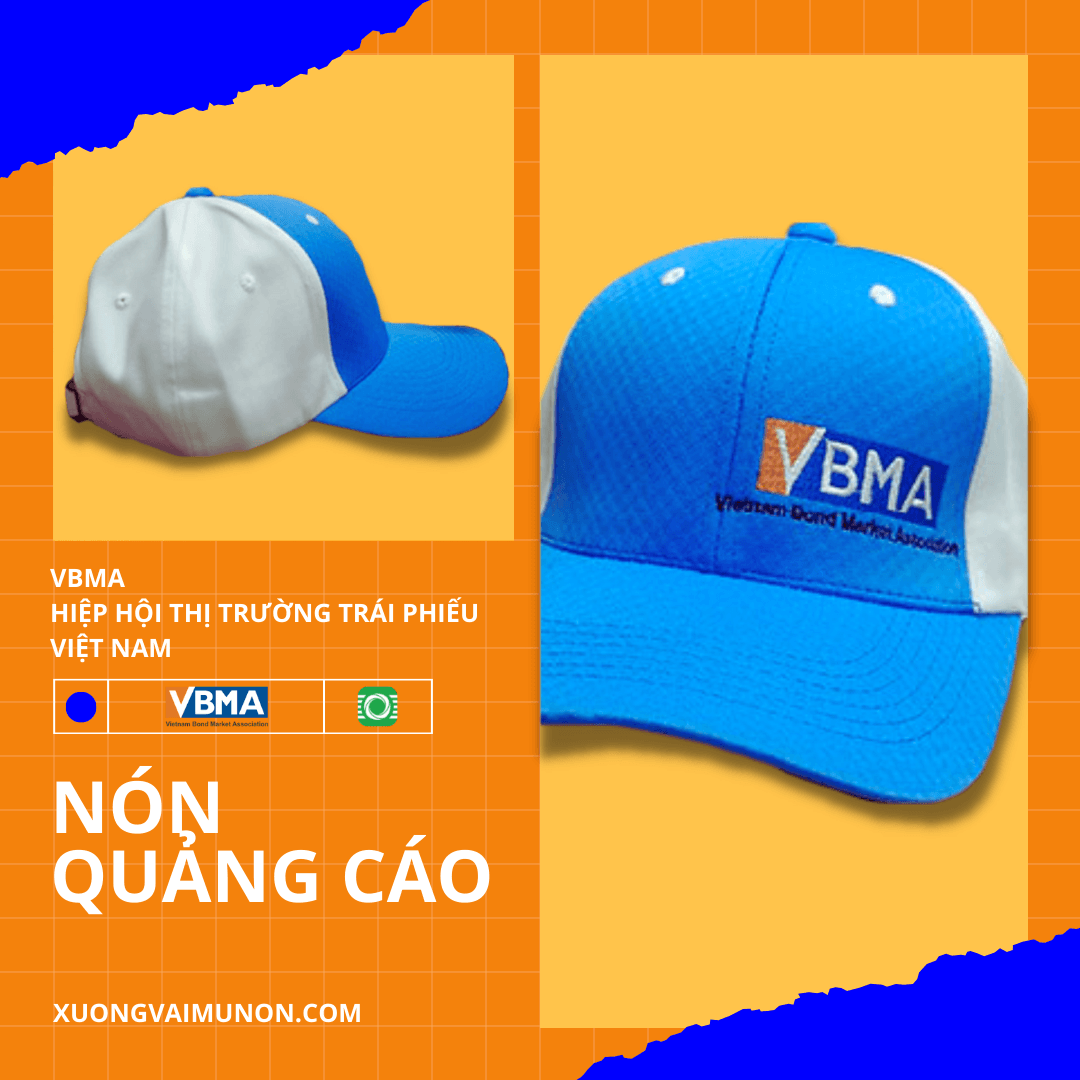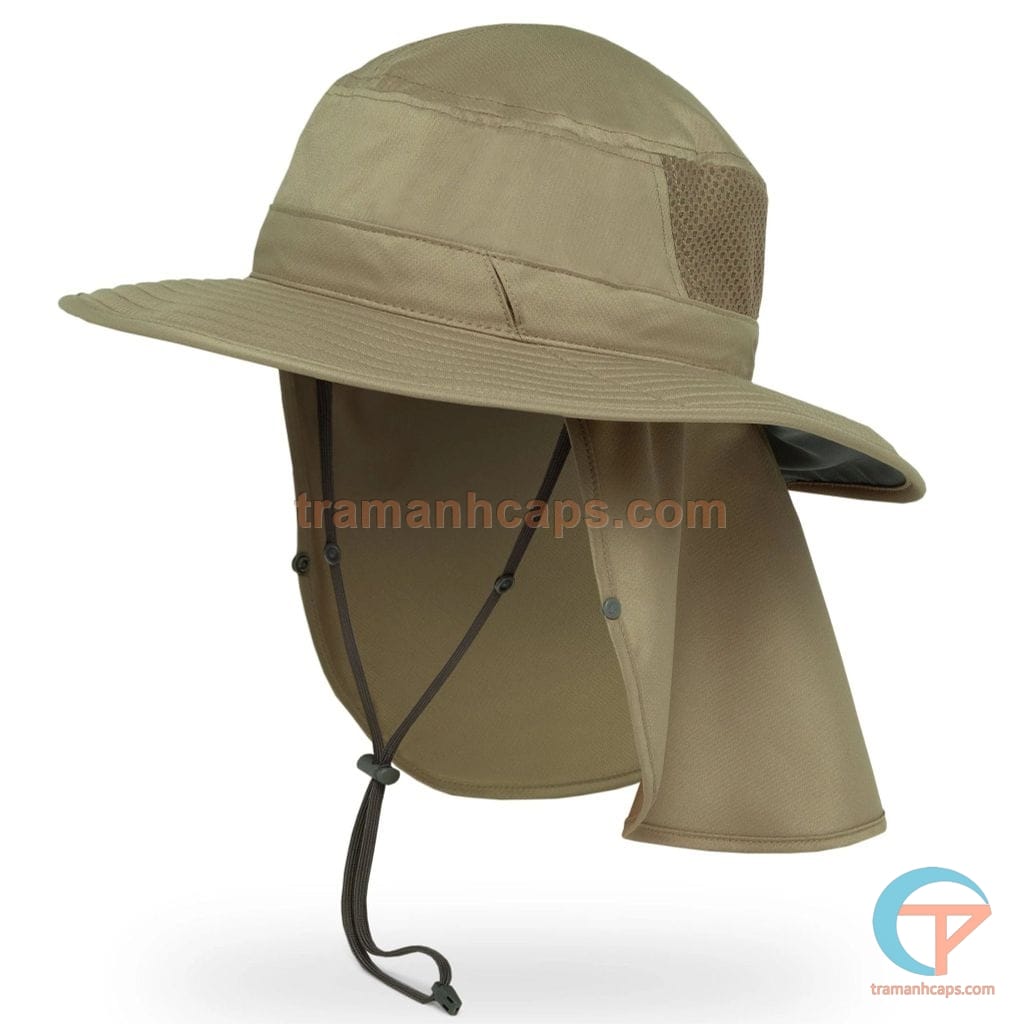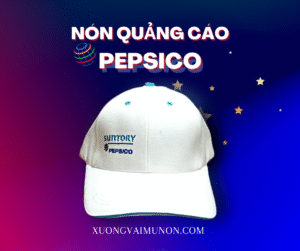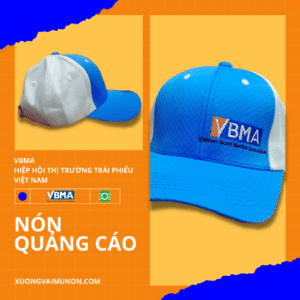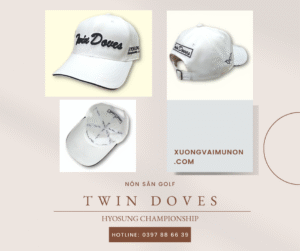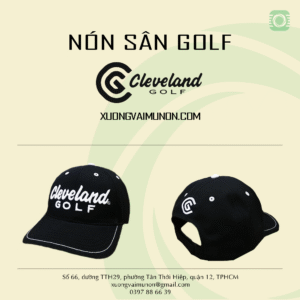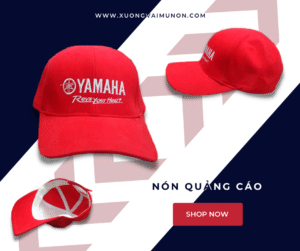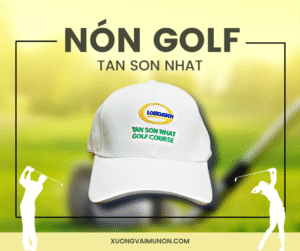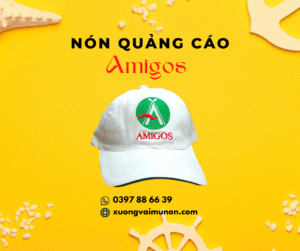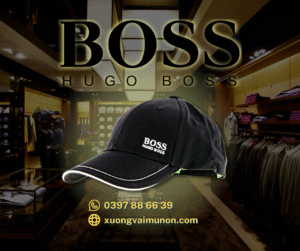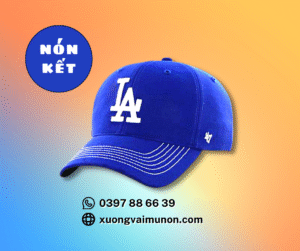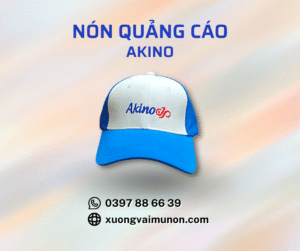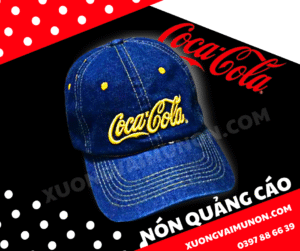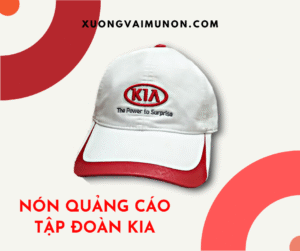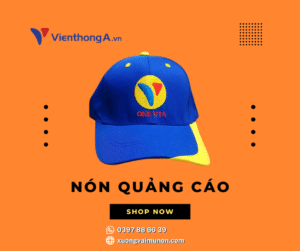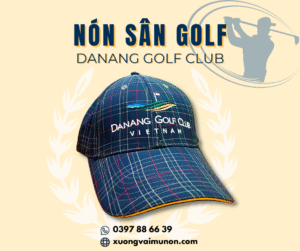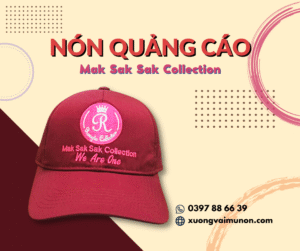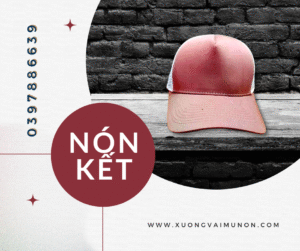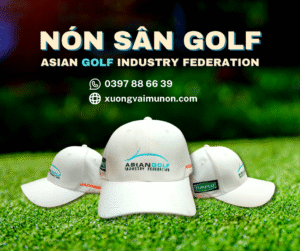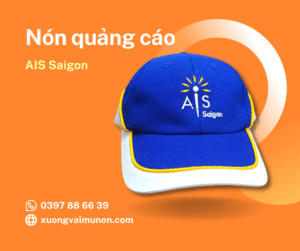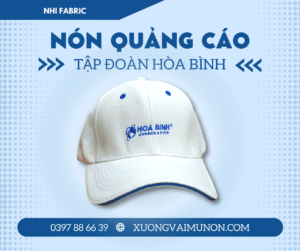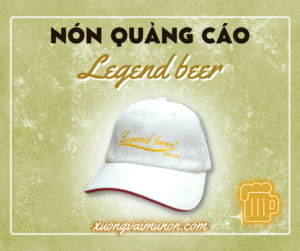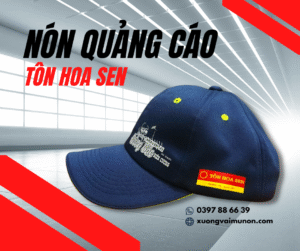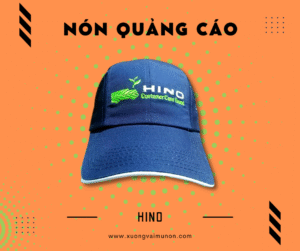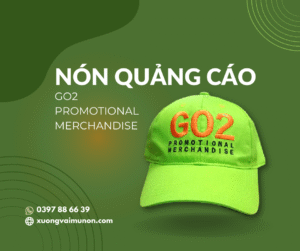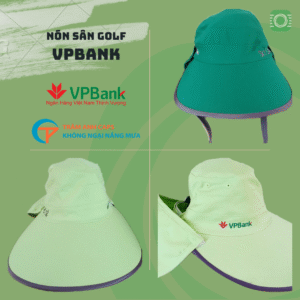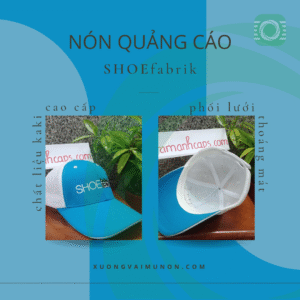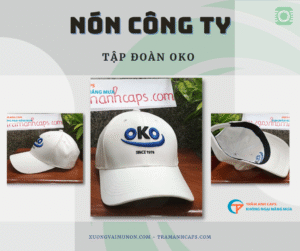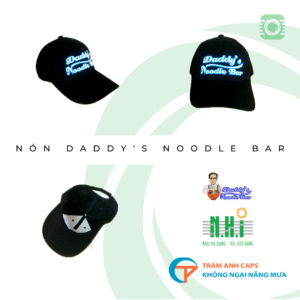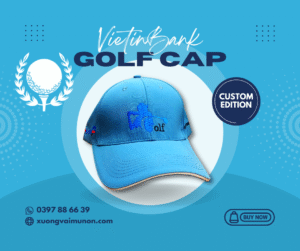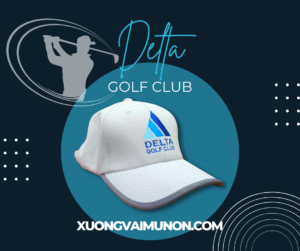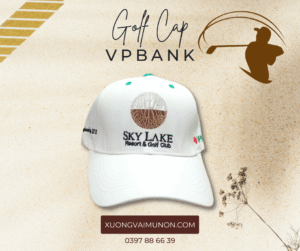
In modern corporate branding and apparel strategy, investing in premium on caps plays a crucial role in enhancing brand identity. In modern corporate branding and apparel strategy, investing in premium 3d embroidery, flat embroidery plays a crucial role in enhancing brand identity.
Most businesses choose an embroidery technique based on instinct, or simply by picking the cheapest option. The result is often a logo that doesn’t match expectations — distorted text, edges that unravel, or a finish that looks nothing like the approved sample. This guide clarifies when each of the three main embroidery techniques is the right choice.
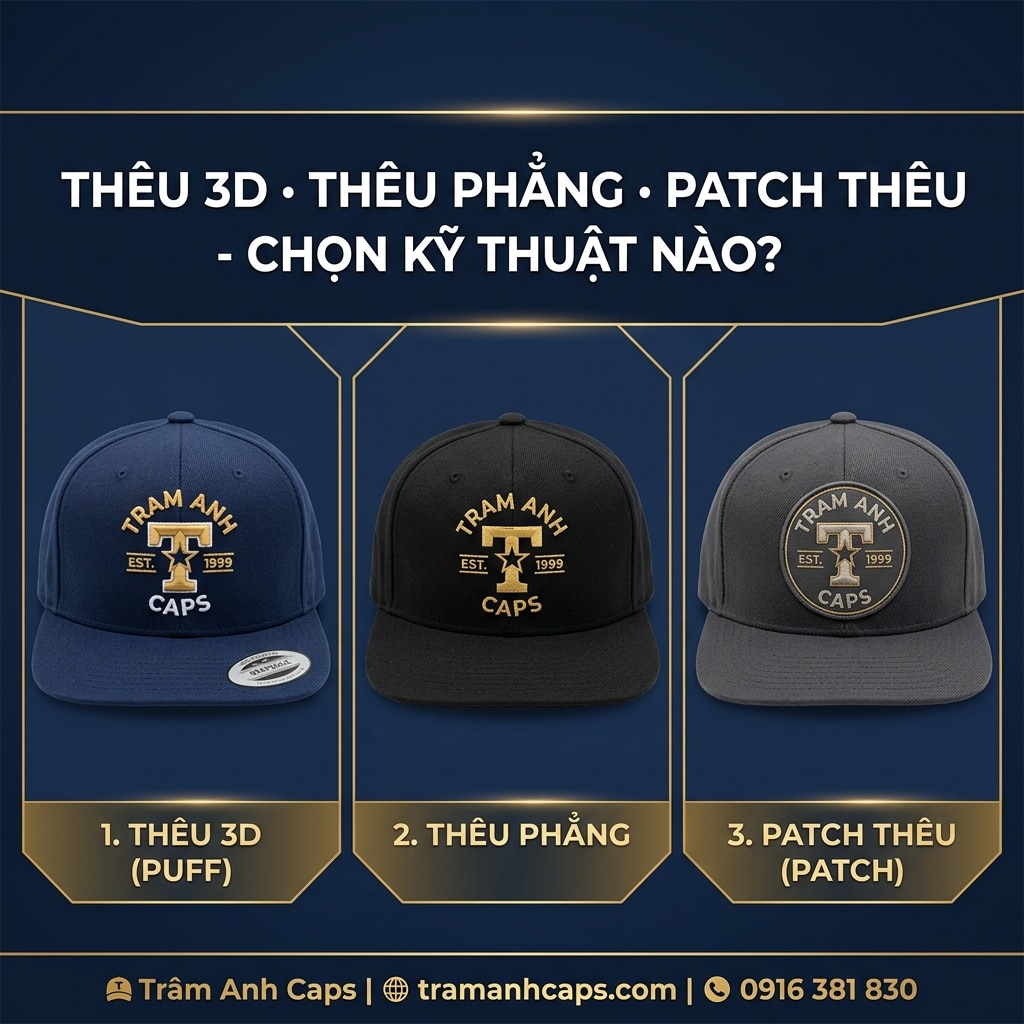
Flat Embroidery – Precise, Professional, and Versatile – Quality Standards for 3D Embroidery, Flat Embroidery Embroidered Patches – Quality Standards for On Caps
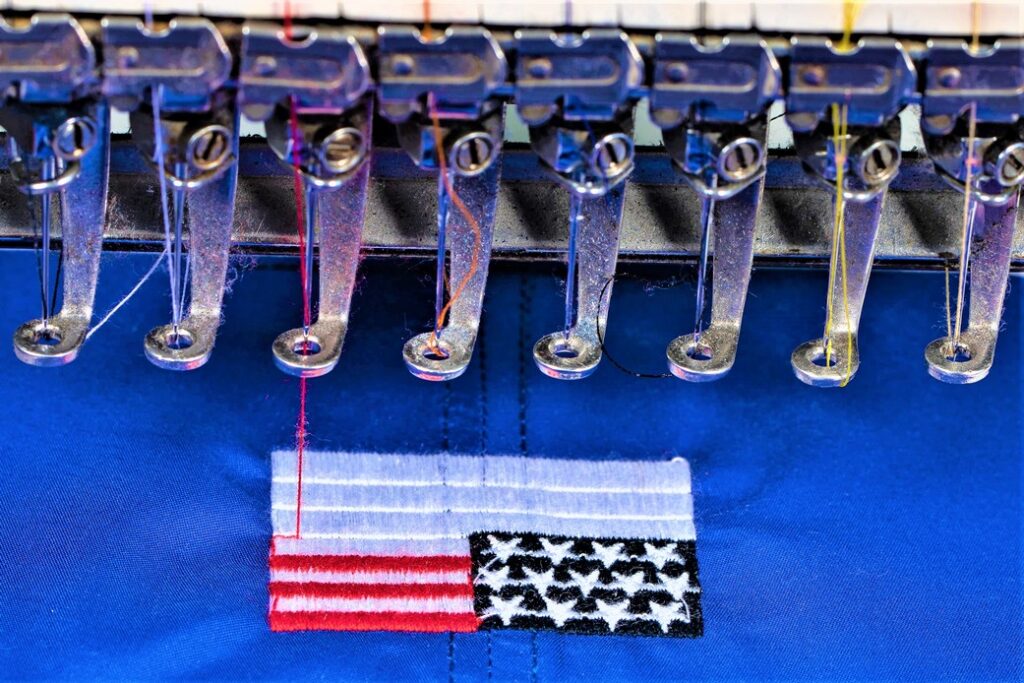
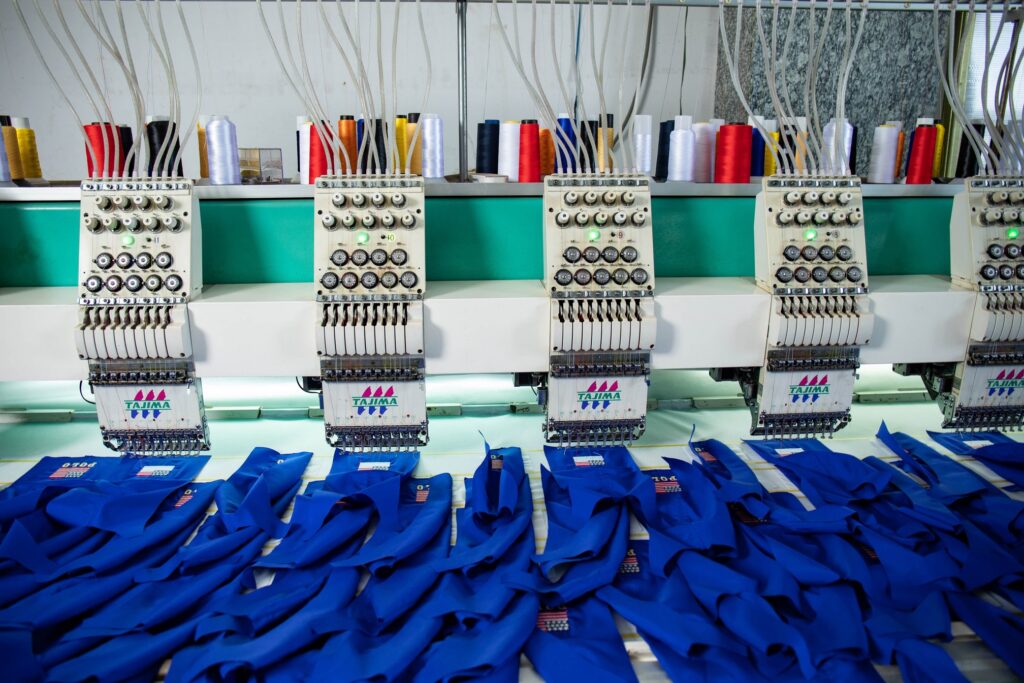
Flat embroidery is the most widely used technique in cap production. Thread is stitched directly onto the fabric surface in dense, even layers that follow the logo outline. The result is a smooth, flat finish with high detail reproduction — ideal for logos with fine lines, small text, and complex multi-element designs. When deciding on this technique, businesses often compare it to printing options as described in Hat & Cap Logo Printing vs Embroidery: A Detailed Comparison of Cost, Durability, and Aesthetics.
Advantages
- Reproduces complex logos accurately — fine text, thin lines, detailed graphics
- Colorfast and dimensionally stable through repeated washing
- Most cost-effective embroidery option across any order volume
- Professional, refined appearance — appropriate for corporate and institutional settings
Limitations
- Lower visual impact at distance — the logo sits flush with the fabric surface
- Less visually striking than 3D embroidery when compared side-by-side
👉 Best for: Corporate uniform caps, office and administrative headwear, medical, spa, and banking sector uniforms — where a professional, understated finish is preferred over visual boldness.
3D Embroidery (Puff Embroidery) – High Visibility, Strong Brand Impact
3D puff embroidery places a thin layer of foam beneath the embroidery area before stitching. The thread wraps over the foam as it is sewn, creating a raised, dimensional logo that stands off the fabric surface. The result is immediately eye-catching and clearly legible from a distance. The success of direct 3D embroidery depends heavily on the base cap material. Read our guide on kaki, cotton, and polyester custom cap fabrics to select the best canvas for your 3D design.
Advantages
- Bold, raised logo — maximizes brand visibility and recognition from a distance
- High visual impact — the cap draws attention in crowded environments
- Durable and retains its raised profile when quality foam is used
Limitations
- Not suitable for detailed logos: Fine text and thin graphic elements will distort as the foam pushes the thread outward
- Multi-color logos (more than 3 colors) rarely turn out well in puff — works best with simple, bold designs
- Approximately 20–30% higher cost than flat embroidery
👉 Best for: Promotional event caps, streetwear brands, sports tournament headwear, and any application where a bold, simple logo needs maximum visual impact.
Embroidered Patch – Maximum Detail Flexibility
An embroidered patch is a separate piece of fabric that is fully embroidered with the logo design, then either sewn or heat-pressed onto the cap. This approach separates the embroidery process from the cap manufacturing process — allowing tighter quality control over the embroidery result and enabling more complex, detailed logo execution than is possible when embroidering directly onto a curved cap surface.
Advantages
- Reproduces more complex logos than direct-on-cap embroidery — the flat patch surface removes the curvature constraint
- Replaceable — useful for team sports caps or club headwear where logos change seasonally
- Patch production and cap production can be scheduled separately — useful for managing lead times
- Creates a distinctive badge-like aesthetic — well-suited to lifestyle brands and premium merchandise
Limitations
- Higher cost than both flat and 3D embroidery — involves separate embroidery, trimming, and application steps
- Patch edges may fray over time if edge-finishing is not done properly
- Heat-pressed patches can delaminate if washed at high temperatures or put through a hot dryer
Side-by-Side Comparison: All Three Techniques
| Criteria | Flat Embroidery | 3D Puff | Embroidered Patch |
|---|---|---|---|
| Visual impact | ⭐⭐⭐ Moderate | ⭐⭐⭐⭐⭐ Very high | ⭐⭐⭐⭐ High |
| Logo detail | ⭐⭐⭐⭐⭐ Excellent | ⭐⭐⭐ Limited | ⭐⭐⭐⭐⭐ Excellent |
| Durability | ⭐⭐⭐⭐⭐ Highest | ⭐⭐⭐⭐ High | ⭐⭐⭐⭐ High (if sewn) |
| Cost | Lowest | Medium – high | Highest |
| Best application | Uniforms, corporate | Events, streetwear | Sports teams, clubs |
Matching Technique to Logo and Hardware Choices
- Logo with fine text or intricate detail: Flat embroidery — sharpest reproduction of complex elements
- Simple, bold logo with 1–3 colors: 3D puff — maximum visual presence and brand recognition
- Complex multi-color logo or seasonal design changes: Embroidered patch — most flexibility for detailed work and logo updates
- Coordination with cap hardware: When finalizing your embroidery designs, make sure to select matching closures and eyelets. For a detailed breakdown, check out Cap Hardware & Accessories: Adjusters, Eyelets, Drawstrings – Which to Specify.
If you are still uncertain which technique fits your logo, the fastest path is to send the logo file to the factory and request a technical opinion with a sample. A capable manufacturer will recommend the appropriate technique based on the logo structure, cap material, and intended use.
Not Sure Which Embroidery Technique Fits Your Logo?
Send your logo file via WhatsApp or email — Tram Anh Caps will recommend the right technique at no cost, with a sample if needed.
📞 0916 381 830 (Mr. Dao) | [email protected] | Contact Us →
Reference international textile and garment manufacturing benchmarks at Textile Manufacturing Industry Overview.