In modern corporate branding and apparel strategy, investing in premium custom cap plays a crucial role in enhancing brand identity. In modern corporate branding and apparel strategy, investing in premium why vietnam is asia’s plays a crucial role in enhancing brand identity.
Vietnam has emerged as one of Asia’s most competitive destinations for cap & hat manufacturing — not just because of labor costs, but because of a maturing textile ecosystem, geographic advantages, and a workforce with genuine craft skills. This article examines the structural factors that have made Vietnam a preferred sourcing destination for international buyers, and why that position is likely to strengthen over the coming decade.
Vietnam’s Position in Global Hat Manufacturing – Quality Standards for Why Vietnam Is Asia’S Leading Destination – Quality Standards for Why Vietnam Is Asia’S – Quality Standards for Custom Cap
Vietnam is now the world’s third-largest garment and textile exporter, behind China and Bangladesh. Within the headwear category specifically, Vietnamese manufacturers have captured meaningful market share in the US, EU, Japan, and Australian markets. Several structural factors explain this trajectory.
Reason 1: A Mature Textile Supply Chain
Unlike some lower-cost countries where fabric must be imported, Vietnam has developed a domestic textile supply chain capable of producing a wide range of cap fabrics — from Samsung khaki and polyester to cotton twill and performance mesh. This supply chain depth means shorter lead times, more stable pricing, and greater quality control over raw materials. Factories that integrate weaving and sewing under one roof — as Tram Anh Caps does — offer buyers the highest level of material traceability and consistency.
Reason 2: Trade Agreement Advantages
Vietnam has signed a series of free trade agreements that give its exports preferential tariff treatment in key markets:
| Trade Agreement | Key Markets Covered | Benefit for Hat Buyers |
|---|---|---|
| EVFTA | European Union (27 countries) | Reduced or zero tariffs on garments and headwear meeting rules of origin |
| UKVFTA | United Kingdom | Preferential access post-Brexit for Vietnamese textiles |
| CPTPP | Canada, Australia, Japan, Mexico, and others | Progressive tariff reduction on apparel categories |
| RCEP | ASEAN, China, Japan, South Korea, Australia, New Zealand | Simplified trade within Asia-Pacific region |
For buyers importing into EU or Australian markets especially, sourcing from Vietnam can deliver significant duty savings compared to China or Bangladesh, provided the rules of origin requirements are met.
Reason 3: Labor Quality Beyond Just Cost
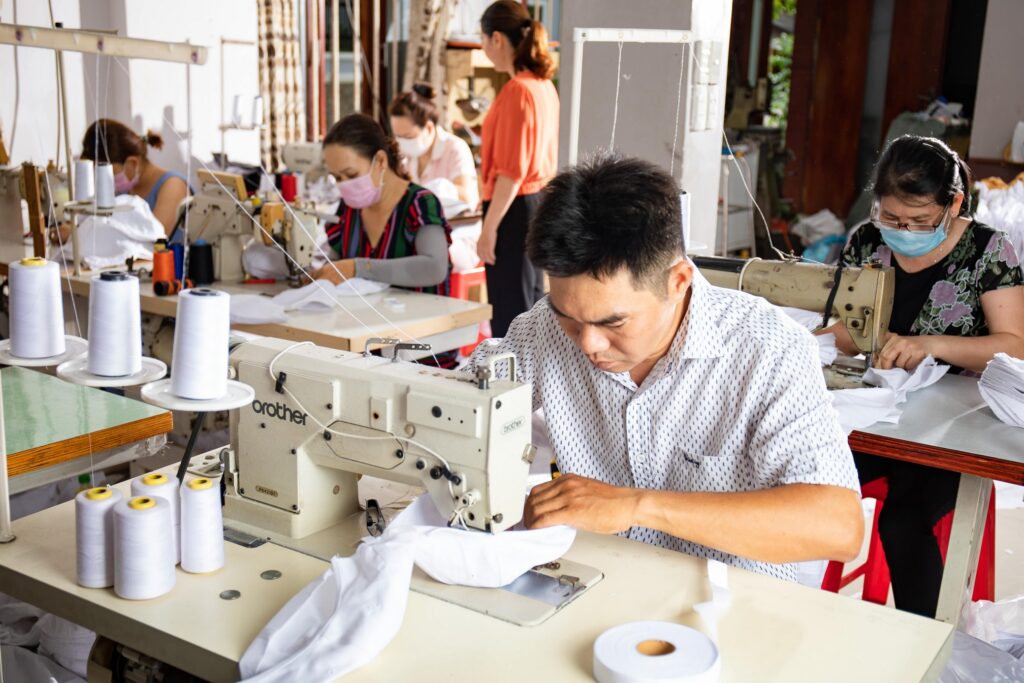
The narrative around Vietnamese manufacturing has long focused on low labor costs. While labor costs remain competitive, what is less discussed is the quality of Vietnamese skilled labor in garment production. Vietnam has a long cultural tradition of textile craftsmanship, and experienced sewing operators — particularly those working in structured cap construction, which is technically more demanding than flat garment sewing — take years to develop. This skilled workforce depth is not easily replicated in newer manufacturing destinations.

Reason 4: Geopolitical Diversification from China
The past several years have seen a significant shift in global sourcing strategy, with many international brands actively reducing their China dependency. Vietnam has been the primary beneficiary of this China-plus-one strategy — and the hat category is no exception. Factories that have previously operated only as domestic suppliers are now developing export capabilities specifically to serve this demand. The infrastructure investment this brings is accelerating the quality improvement of the entire industry.
Reason 5: Export Infrastructure and Logistics
Ho Chi Minh City and its surrounding industrial zones have excellent access to major seaports (Cat Lai, SPCT) and Tan Son Nhat International Airport. Container shipping to the US West Coast takes approximately 18–22 days; to Europe, 25–32 days. Multiple freight forwarders operate within the city, offering buyers a range of shipping options and terms. Vietnam’s logistics infrastructure has improved substantially over the past decade and continues to develop.
📌 Key insight: Vietnam’s manufacturing advantage is not purely about being “cheap.” It is increasingly about being capable — factories with strong technical skills, improving quality systems, and favorable trade terms that make them a competitive choice even against factories in Bangladesh or Cambodia that may offer lower headline prices.
Tram Anh Caps – Manufacturing in Vietnam for Over 15 Years
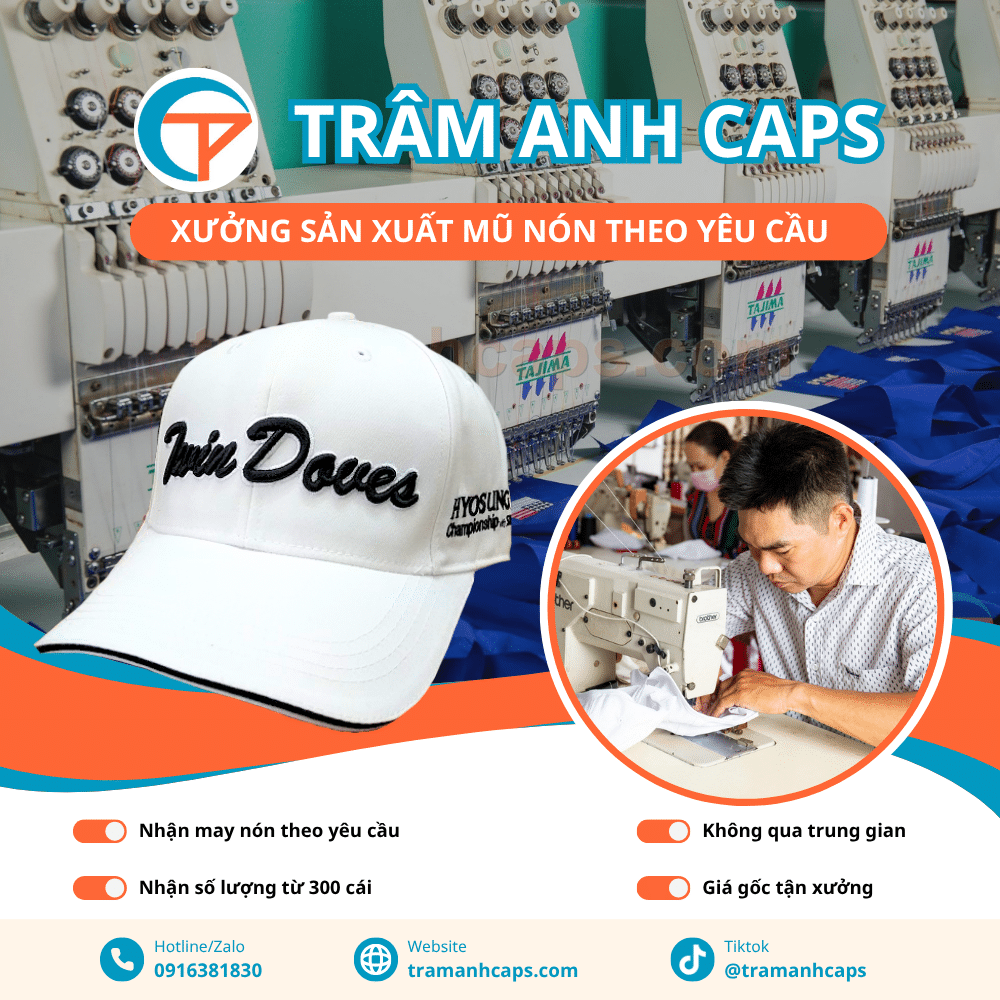
Tram Anh Caps has been manufacturing caps and hats in Ho Chi Minh City since the early 2000s. Our facility integrates fabric weaving, sewing, embroidery, and finishing under one roof — giving international buyers complete supply chain visibility and consistent quality across every production run. We export to multiple markets and are familiar with the documentation and compliance requirements that international buyers need.
Sourcing Caps from Vietnam? Start with a Factory That Has 15+ Years of Export Experience
Tram Anh Caps — integrated OEM cap manufacturing in Ho Chi Minh City. Share your requirements and receive a quote within 24 hours.
📞 0916 381 830 (Mr. Dao) | [email protected] | Contact Us →
Reference international textile and garment manufacturing benchmarks at Textile Manufacturing Industry Overview.
Related Industry Insights:
• Wholesale Baseball Caps: Custom 6-Panel Factory Direct (MOQ 300)
• Custom Cap Manufacturer in Vietnam: Direct Factory OEM & ODM (MOQ 300)