A low price isn’t always an advantage — sometimes it’s the starting point of problems that end up costing far more to fix. This article takes an honest look at when price is worth factoring in, and when trading quality for a lower quote is a decision you’ll come to regret.
Where does a low price actually come from?
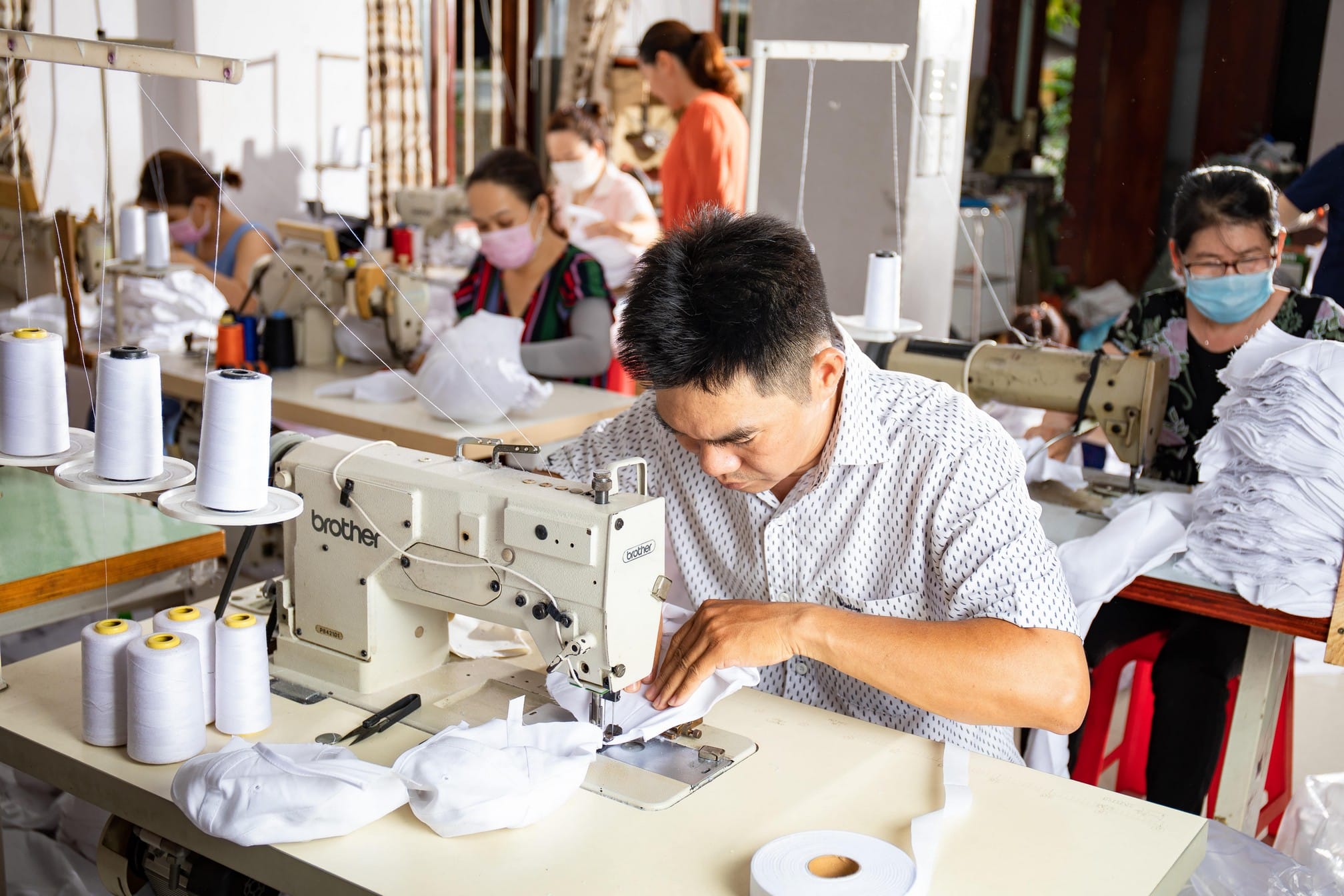
No factory is simply “generous” enough to quote below market rate while maintaining full quality. The cost of producing custom caps includes raw materials, labor, machinery, quality control, production time, and after-sales service. When a quote comes in significantly lower than the market average, one or more of these elements has to be cut.
5 real risks of ordering cheap custom caps
Risk 1: Fabric fades and loses shape after a few uses
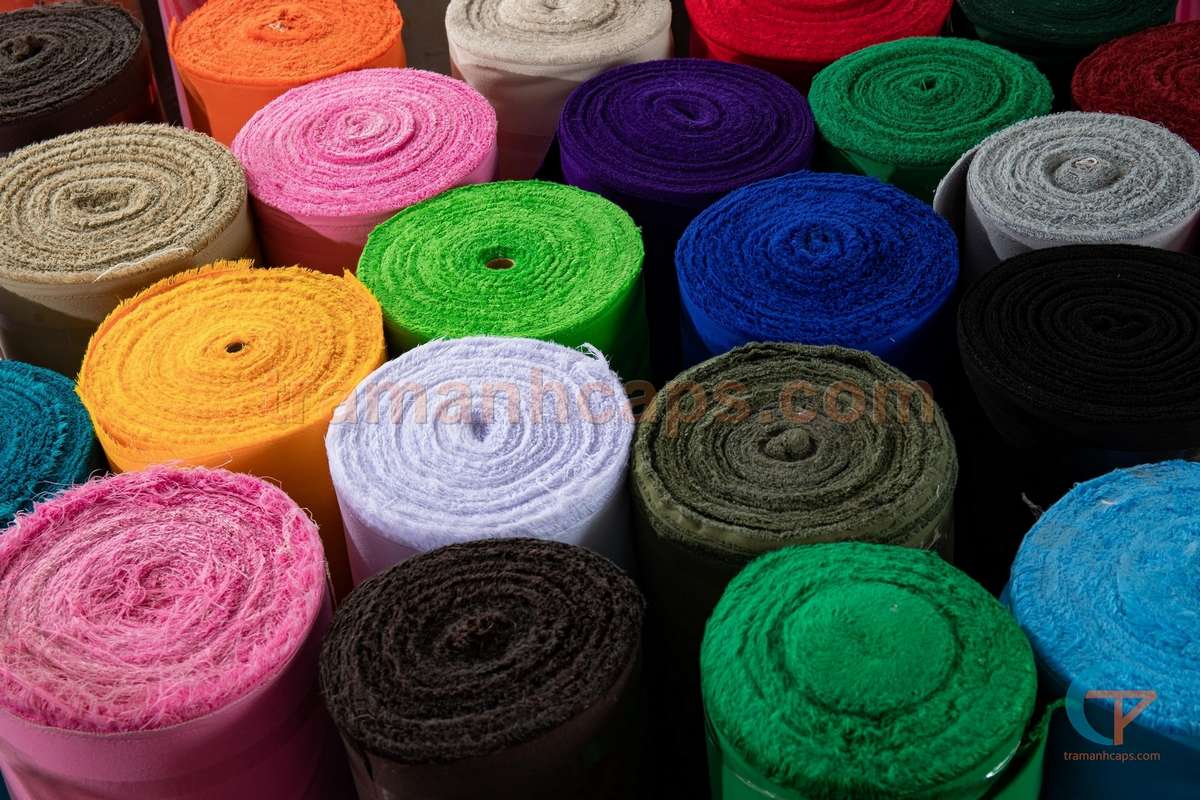
Cheap fabric is rarely tested for colorfastness or doesn’t meet minimum g/m² requirements. The result: caps that look good in photos but fade, warp at the brim, and pill after just two or three washes. For branded caps, that directly impacts how your company is perceived in the eyes of clients and partners.

Risk 2: Embroidery or print that isn’t sharp and doesn’t match your brand colors
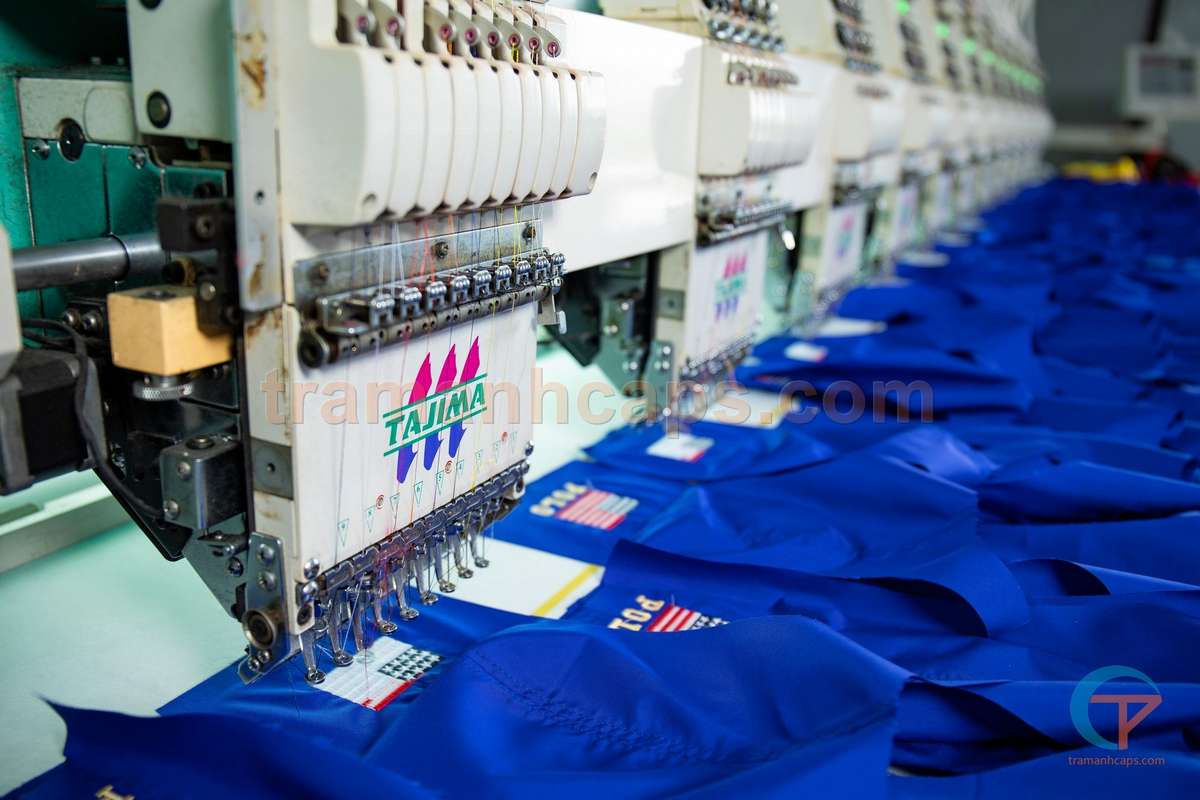
Low-quality computerized embroidery typically uses cheap thread, low stitch density, and colors that don’t match your brand’s Pantone or CMYK specifications. Budget screen printing fades and peels within a season of use. This is the most common defect — and the hardest to explain to a client who receives branded merchandise that simply doesn’t look right.
Risk 3: Inconsistent sizing and shape within the same batch
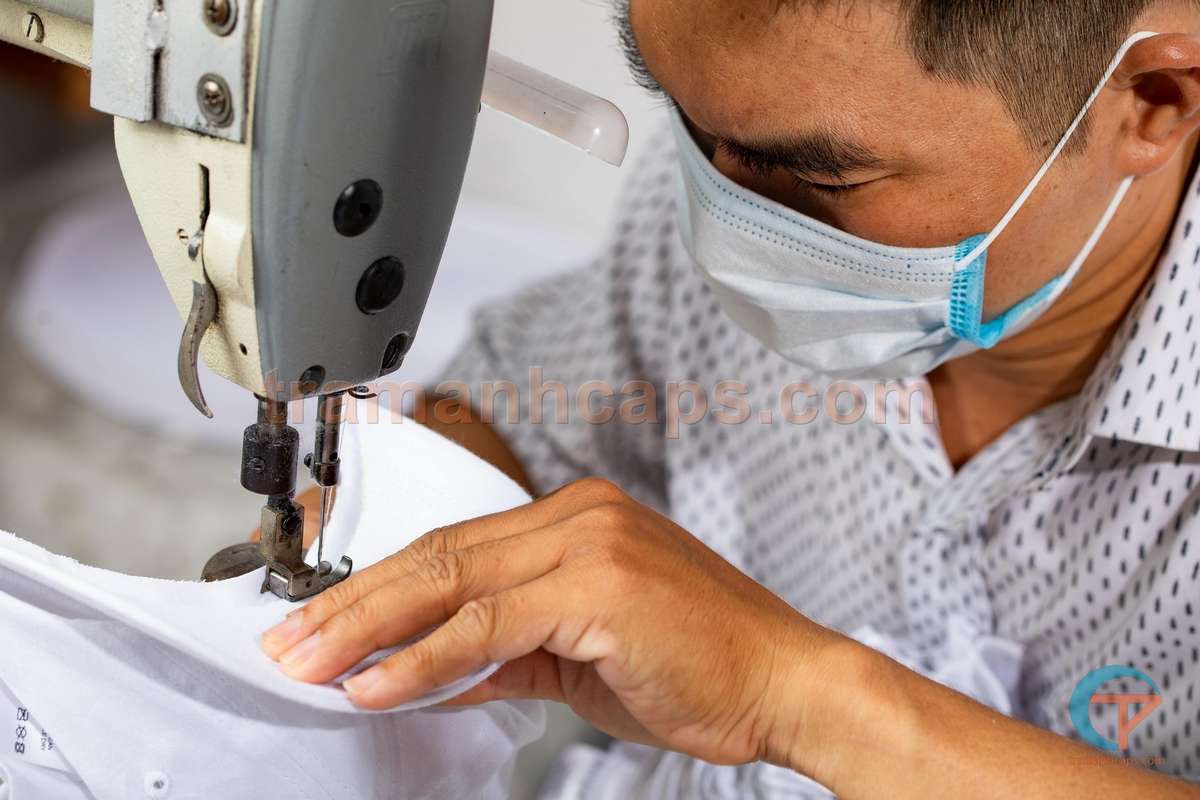
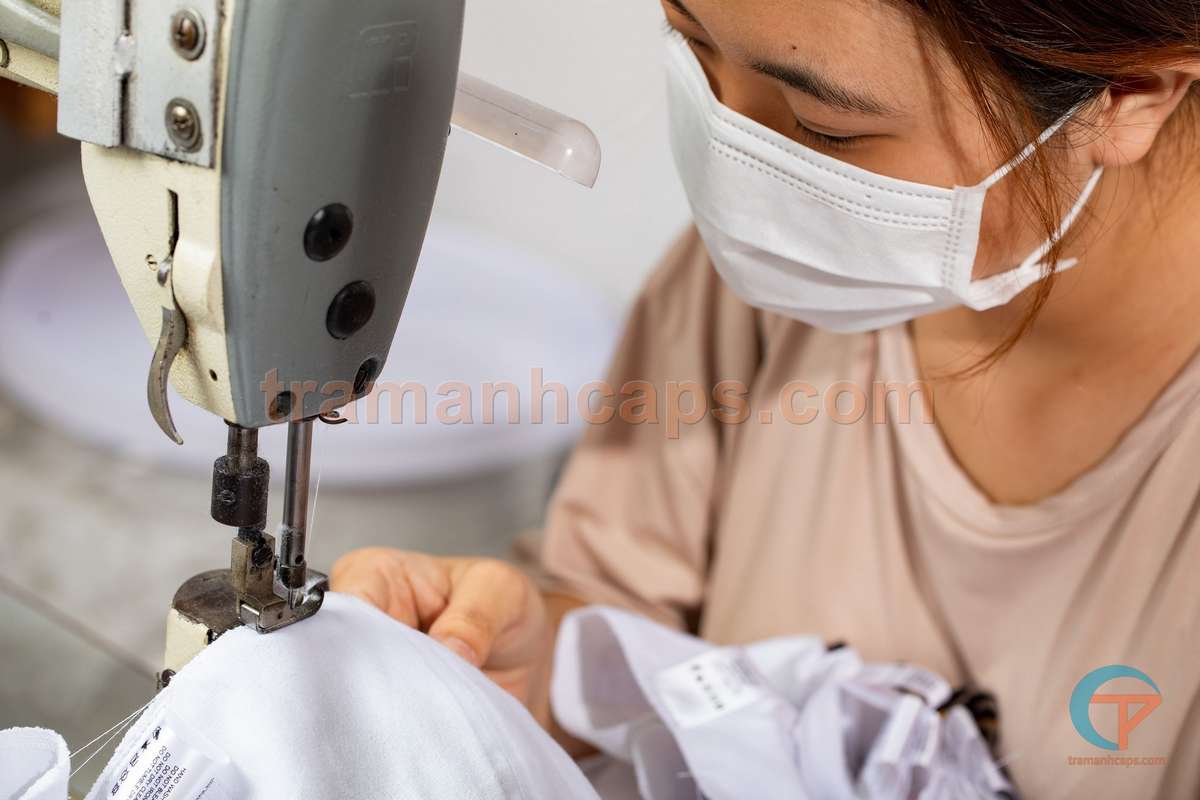
Without stage-by-stage quality control, a single batch of 500 caps can contain 30–50 pieces with uneven brims, misaligned logos, uneven fabric tension, or crooked stitching. When you’re distributing branded merchandise at a conference or event, that inconsistency becomes immediately visible to hundreds of people.
Risk 4: Late delivery or missed commitments
Low-cost factories often take on more orders than they can handle to offset thin margins — and when problems arise (fabric shortages, machine breakdowns, absent workers), your order is typically the first to be pushed back. This is especially dangerous when caps are tied to a fixed-date event such as a conference, grand opening, sports competition, or seasonal marketing campaign.
Risk 5: No after-sales support — complaints go unresolved
Budget factories rarely have a clear warranty or return policy. When you discover defects after receiving your shipment, they may go silent, blame the courier, or offer a small discount on your next order rather than addressing the current batch. Without a contract that explicitly outlines defect handling, you have no legal basis to make a claim.
Real-world comparison: “Cheap” price vs “Fair” price
The table below doesn’t compare numbers — it compares what you actually receive at two different price levels. Once hidden costs are factored in, the “cheap” order often ends up more expensive than the fairly-priced one from the start.
| Factor | ⚠️ Suspiciously low price | ✅ Fair price – reputable factory |
|---|---|---|
| Fabric material | Unknown origin, low gsm | Samsung kaki, certified cotton |
| Logo embroidery | Cheap thread, low stitch density, off-color | Quality thread, Pantone-matched, stitch-checked |
| Quality control | End-of-line check only, or skipped entirely | Stage-by-stage inspection, 100% finished goods check |
| Delivery | High risk of delays, minimal progress updates | Written commitment, regular progress updates |
| Defective items | Difficult to resolve, no clear policy | Transparent warranty and return process |
| Hidden costs | Rework, rush shipping, reputational damage | Virtually none when the process is rigorous |
| True final cost | Usually higher than originally expected | Consistent with the agreed price |
So when is it reasonable to prioritize a lower price?
The honest answer isn’t “never” — it’s it depends on the intended use. Here’s a practical framework to help make the right call:
- Caps are for internal use only, not customer-facing
- It’s a one-off event with no need for long-term durability
- Budget is extremely tight and the quality trade-off is knowingly accepted
- Small quantity for sampling purposes before committing to a full production run
- Caps represent your brand in front of clients or partners
- Tied to a fixed-date event that cannot be rescheduled
- Logo color must match your brand identity guidelines exactly
- Full batch consistency is required (uniforms, VIP gifts)
How Tram Anh Caps approaches the price–quality equation
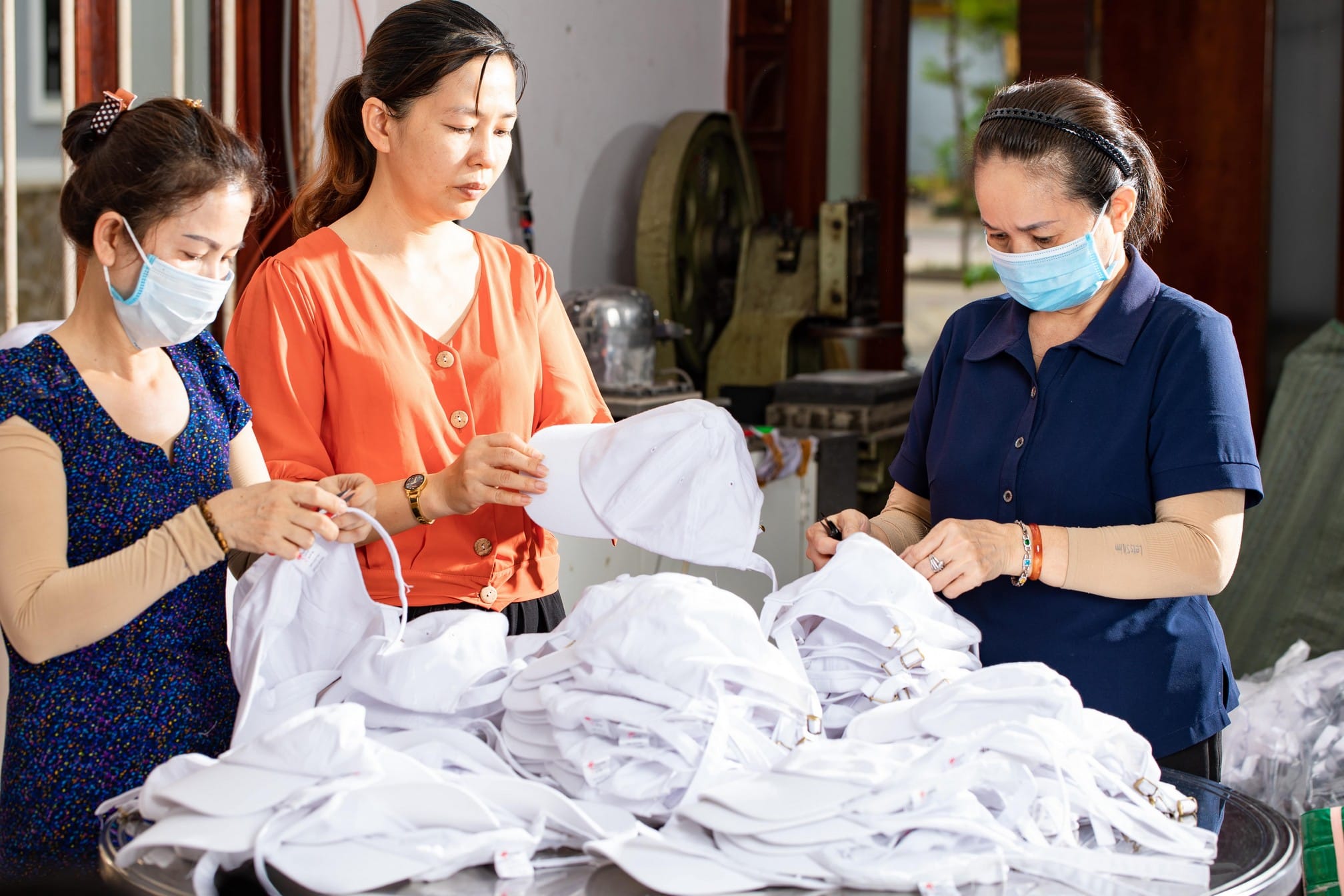
Tram Anh Caps is not the cheapest factory on the market — and we have no intention of being so. Instead, we focus on the real value you receive for every dollar spent: certified materials, brand-accurate computerized embroidery, stage-by-stage QC, and a firm commitment to on-time delivery.

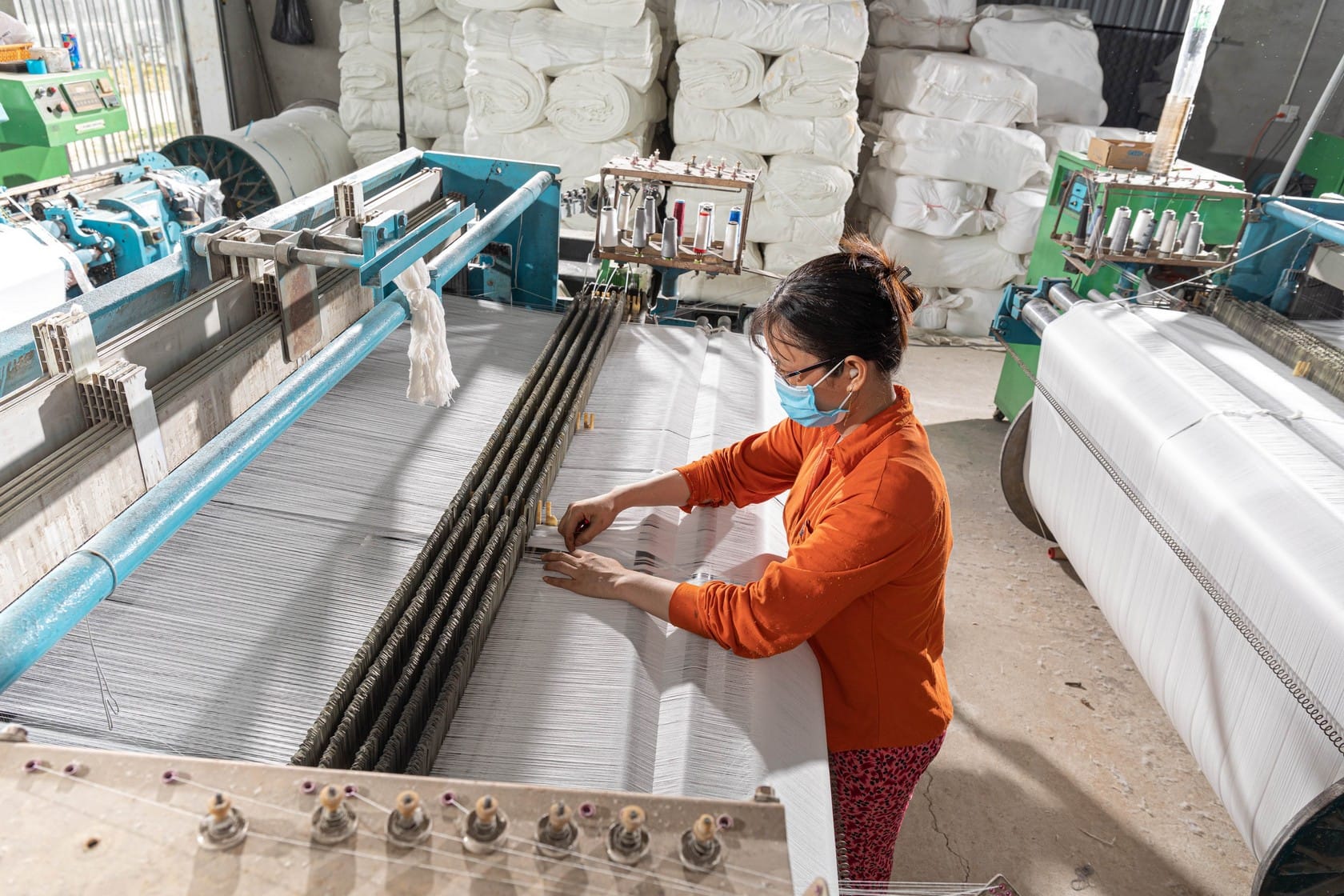
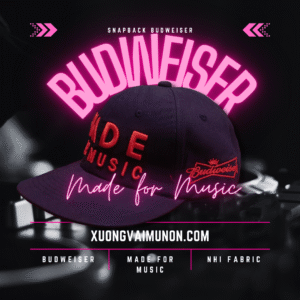
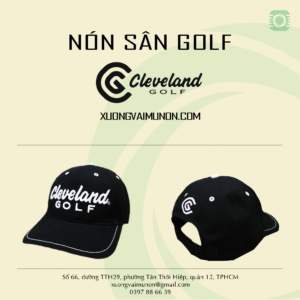
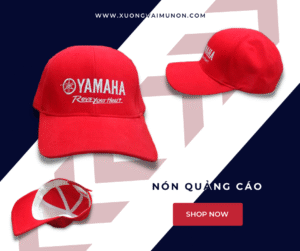
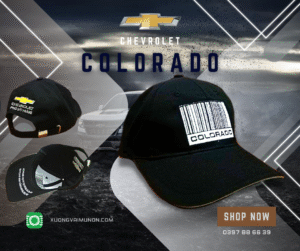
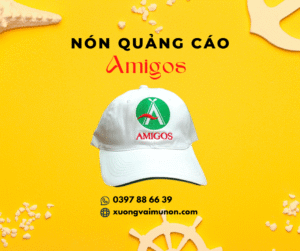
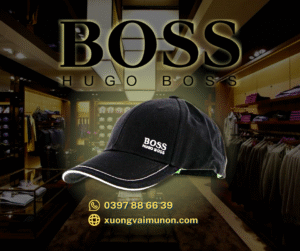
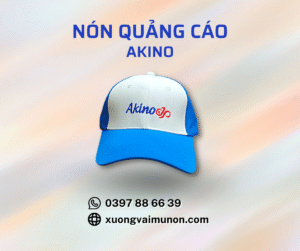
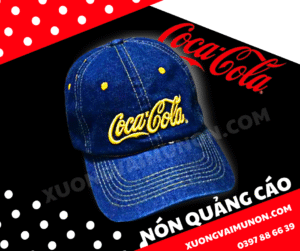
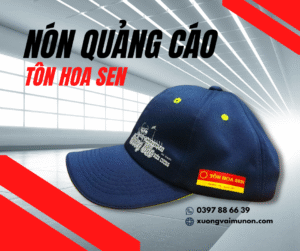
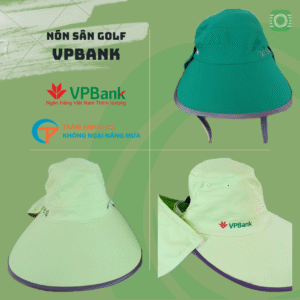
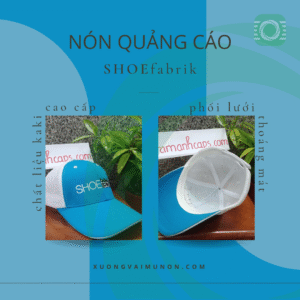
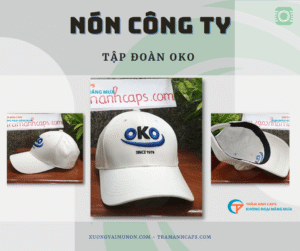
Major brands — with dedicated procurement teams and demanding quality standards — have chosen Tram Anh Caps:


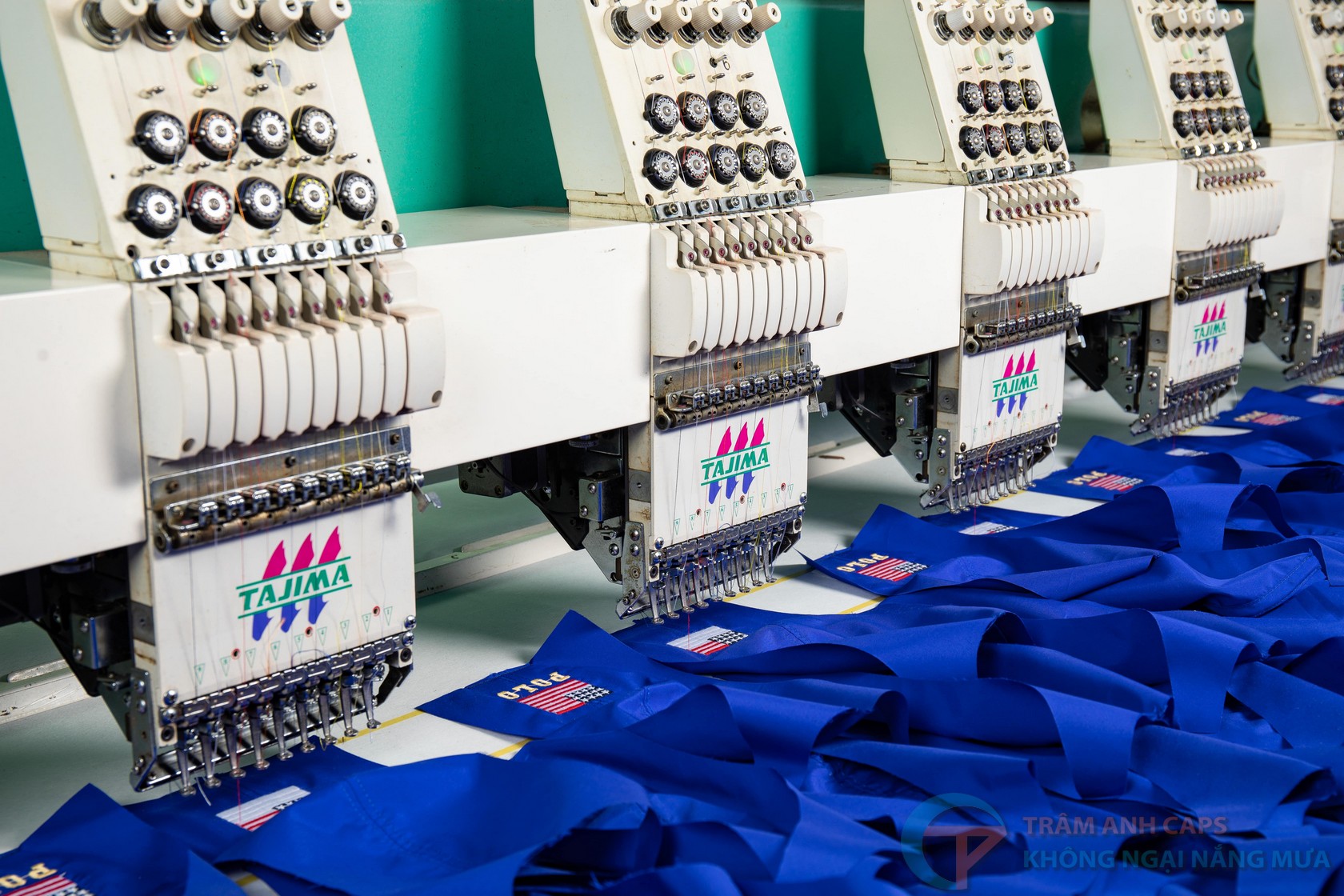
Before deciding based on price — ask yourself
- ✓ Will these caps appear in front of customers, partners, or the media?
- ✓ If the order arrives late or with the wrong colors, will your event be impacted?
- ✓ Does the logo need to match exact Pantone or CMYK values from your brand guidelines?
- ✓ If 10% of the batch is defective, what would rework or replacement actually cost you?
- ✓ Will the factory you’re considering show you a physical fabric sample and a verifiable client list?
- ✓ Once all potential risk costs are added up, is that low price actually cheap?

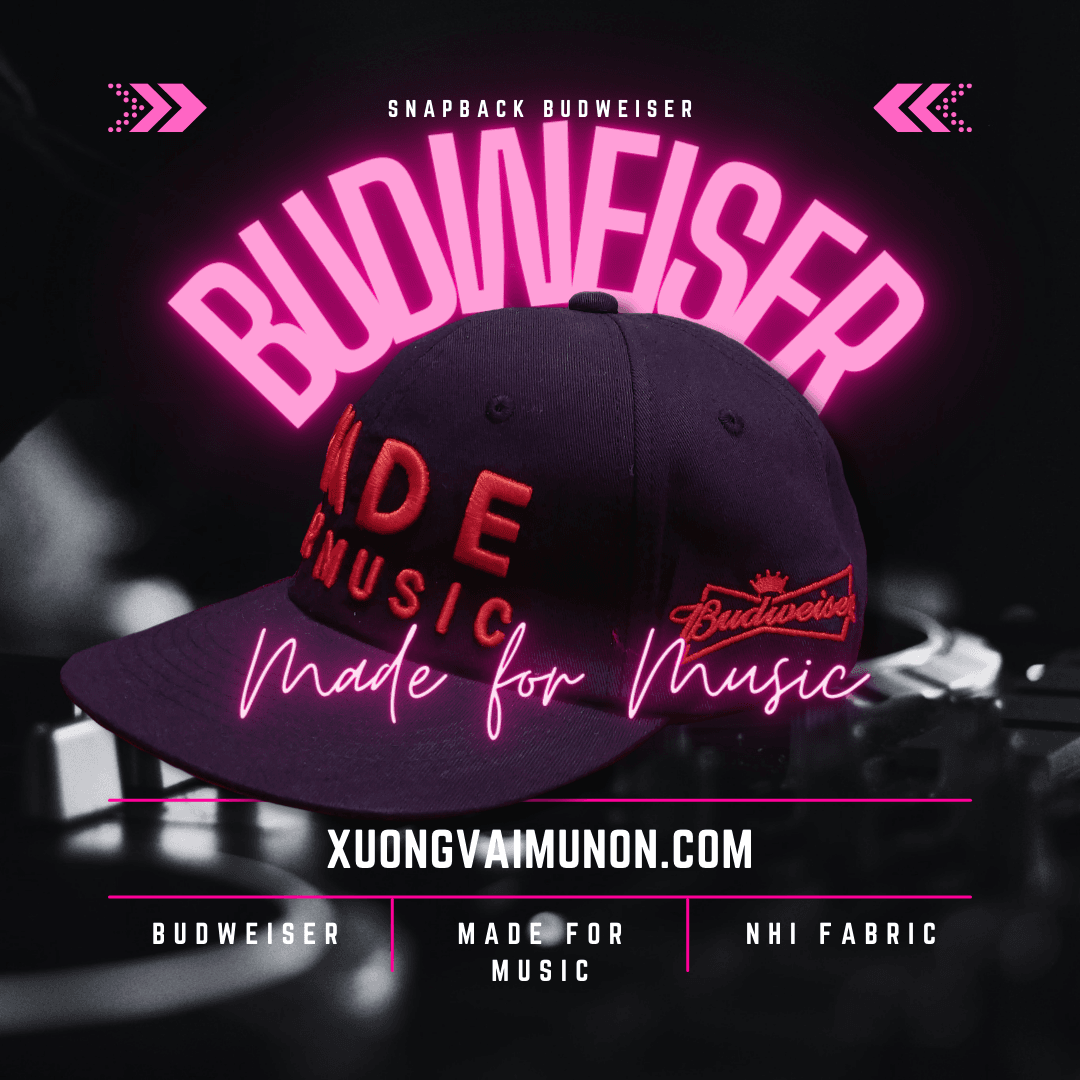
Want to know what a fair, accurate quote looks like for your project?
Don’t decide on price alone — let Tram Anh Caps advise you on the right materials, style, and budget for what you actually need.
Free consultation, physical fabric samples available, detailed quote within 24 hours.