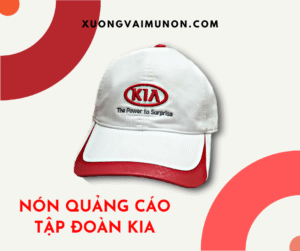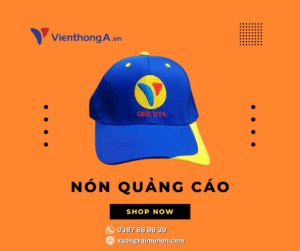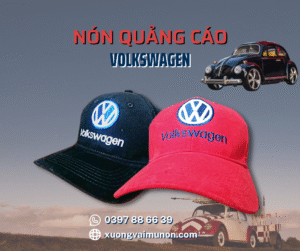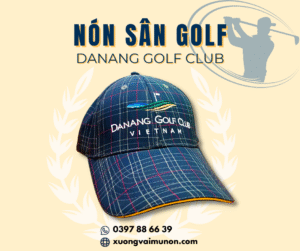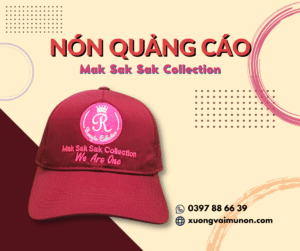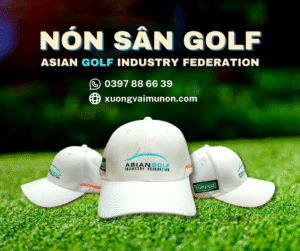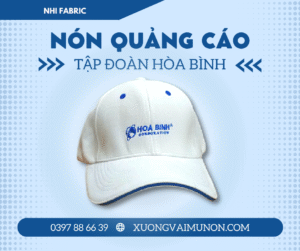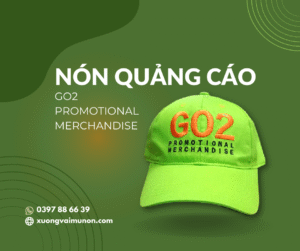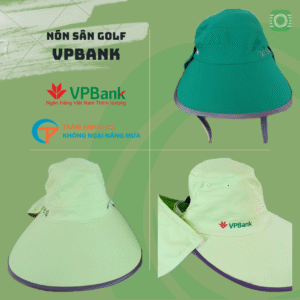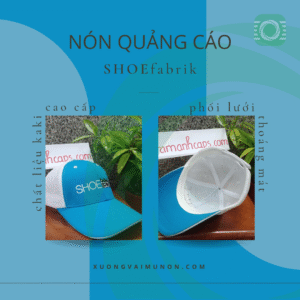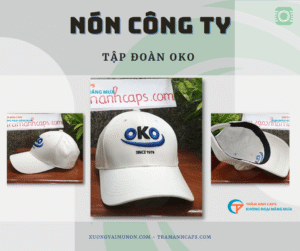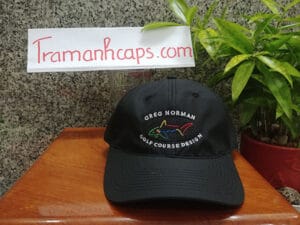
In modern corporate branding and apparel strategy, investing in premium custom cap manufacturer plays a crucial role in enhancing brand identity. When a major brand places a custom cap order, they do not choose a factory based on advertising or promises. They choose based on evidence: can the factory meet the technical specifications, will they deliver on time, and can they handle unexpected problems. This article shares what actually happens behind the scenes on high-demand orders at Tram Anh Caps.
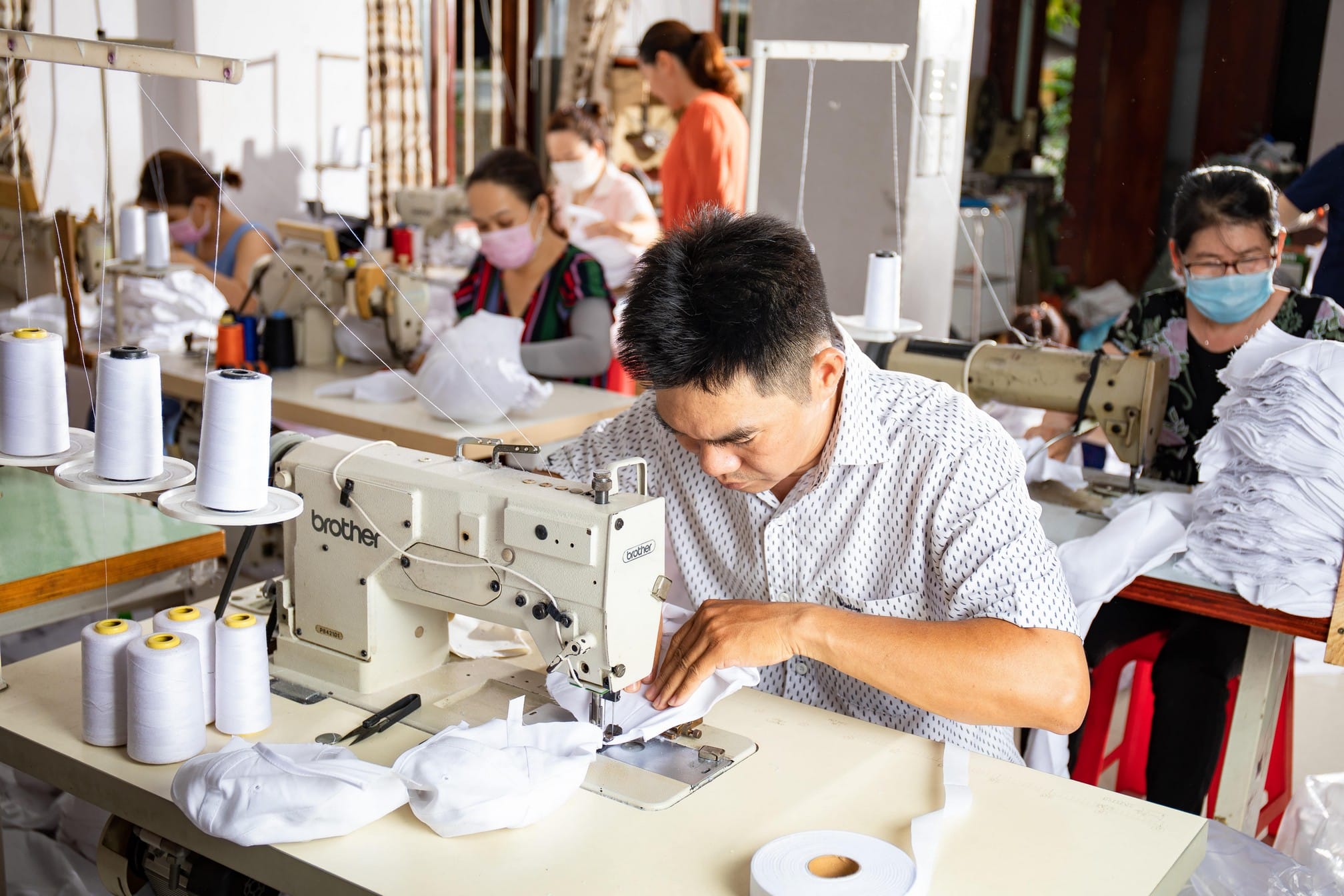
A note before reading: This is not a client list assembled to impress. It is an honest account of the specific requirements each brand set, how Tram Anh Caps handled them, and what the experience demonstrated about real factory operations under pressure. If you are considering placing a first order, this is a window into how a production facility actually behaves when things get difficult.
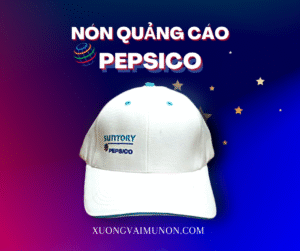
FMCG: Suntory PepsiCo – Color accuracy is non-negotiable – Quality Standards for Case Study – Quality Standards for Custom Cap Manufacturer

For multinational FMCG corporations, product color is not a matter for negotiation. PepsiCo red, Aquafina blue, Sting yellow – each is defined by a specific Pantone code in a global brand guideline. Any deviation is grounds for rejecting the delivery.
The real challenge: Embroidery thread available in Vietnam does not cover the full Pantone catalog as comprehensively as international suppliers. Achieving an accurate match requires physical fabric sample testing, not screen comparison. For the PepsiCo order, this process went through 2–3 rounds of color sampling before receiving sign-off.
How it was handled: Tram Anh Caps did not quote immediately upon receiving the brief. The first step was requesting a complete technical spec document – including Pantone codes, logo dimensions in millimeters, exact placement coordinates, and specified fabric type. Physical samples were then produced and photographed in natural outdoor light (not studio lighting) so the brand team could approve colors under real-world conditions.
Outcome: The order was approved after three rounds of samples. Delivery was completed on schedule for the seasonal marketing campaign. More importantly, the brand team confirmed that the factory follows a structured process rather than producing by guesswork.
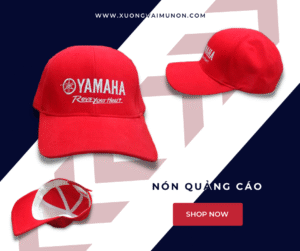
Automotive: Yamaha Motor Vietnam – Large volume, consistent quality across the full batch

The Yamaha Motor Vietnam order represented one of the most operationally complex types: large volume, a delivery window tied to a fixed product launch date, and an absolute requirement for color and quality consistency across the entire run.
The real challenge: Fabric cut from different rolls can exhibit slight color variation (metamerism). Embroidery produced at the start and end of a shift can differ if not monitored. At high volume, these small variations compound quickly across the total quantity.
How it was handled: All fabric was cut from a single imported batch before production began – no rolling replenishment from mixed lots. For every 50 embroidered pieces, color consistency and logo positioning were checked before moving to the sewing stage. Any piece showing deviation was pulled out and redone, never folded into the main batch.
Outcome: Delivered on schedule before the product launch date. Defect rate below 1% – under the contractual threshold. This became the basis for continuing the partnership across subsequent campaigns.
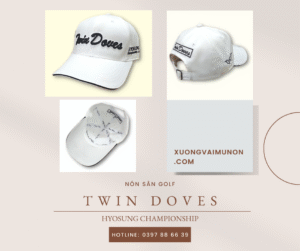
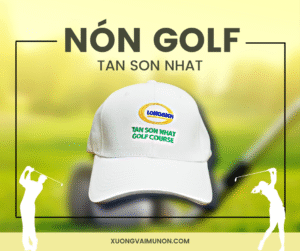
Sports event: Hyosung Golf Championship – A deadline that cannot move
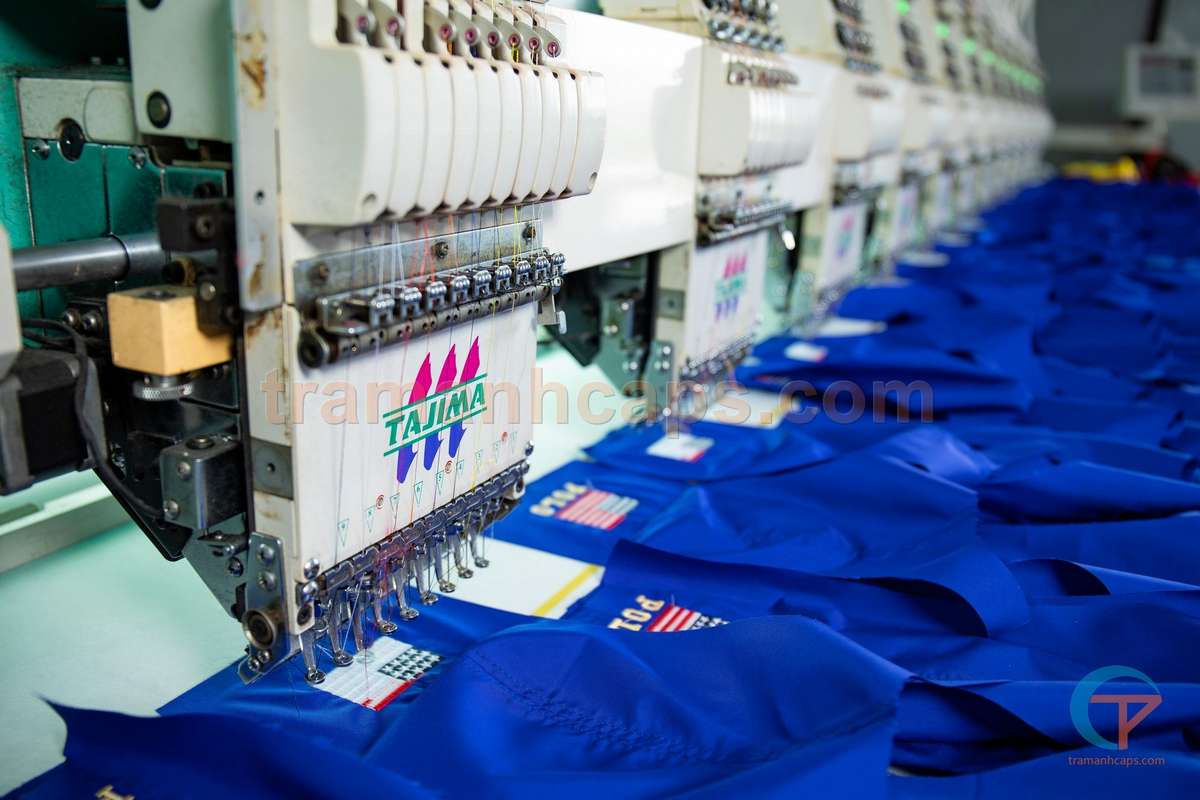
Corporate golf events have one property that distinguishes them from most other orders: the tournament date is fixed. There is no contingency if the caps are not ready – and premium golf caps require embroidery standards that are meaningfully different from standard promotional caps.
The real challenge: Structured golf caps (caps with a rigid front panel) are harder to embroider than soft caps because the stiff brim cannot be clamped flat into a standard embroidery frame. The order required logo embroidery on the side panel with fine detail and tight stitch lines – demanding more precise tension calibration than a large front-facing logo.
How it was handled: Cap-specific embroidery frames were used rather than flat frames. The embroidery file was adjusted for stitch density per color to prevent thread breakage at positions with surface curvature. Physical samples were produced and approved 10 days before the production deadline, leaving enough time to make adjustments if required.
Outcome: The full batch was delivered 5 days before the tournament date – sufficient time for the organizing team to inspect and prepare. Zero pieces were rejected during the delivery inspection.
What all high-standard orders have in common
Looking across these three case studies, four consistent elements appear in every order from a brand with demanding standards:
- Technical requirements must be documented before production starts. No major brand accepts “we will figure it out as we go.” Every order comes with a detailed technical brief – and the factory must read and understand it fully before quoting
- Physical sample approval is mandatory, not optional. No order skips the sample stage – whether it is the first or tenth collaboration with the same brand
- The production timeline must have intermediate checkpoints, not just a final delivery date. “Fabric cutting completed by date X, samples sent for approval by date Y, mass production begins by date Z” – all confirmed in writing upfront
- QC must run throughout the process, not only at the packing stage. A defect caught mid-production is far easier and cheaper to fix than one discovered after the full batch is complete
None of these are exclusive to large brands. They are simply the correct way to run any production order. For the specific criteria that separate factories with genuine process discipline from those without, see: 5 key criteria for evaluating a reliable cap manufacturer.
Why major brands do not simply choose the cheapest supplier
Major corporations have the resources to source from anywhere – including direct imports at lower unit prices. But they consistently choose not to do that for custom cap orders with specific requirements, for one straightforward reason: the total risk outweighs the per-unit saving.
Importing means longer lead times, limited quality oversight at a distance, and when problems arise – the cost of corrections or remakes typically exceeds the original saving many times over. For orders tied to a fixed event date, that risk is simply not acceptable.
Working with a direct manufacturer in Vietnam allows them to control each step, review samples quickly, make adjustments in time, and have a specific person accountable when something goes wrong. That is a form of value that no catalog price can represent.
You do not need to be a major brand to receive the same standard of service
Tram Anh Caps applies the same production process to all orders from 300 pieces upward – regardless of brand size. For a full overview of the process from initial brief to delivery: A-to-Z guide to ordering custom corporate caps.
Start with a conversation – no cost, no obligation
Send your requirements to receive advice tailored to your specific order. Detailed quote within 24 hours.
📞 +84 916 381 830 (Mr. Dao) | [email protected] | Contact us →
Reference international textile and garment manufacturing benchmarks at Textile Manufacturing Industry Overview.