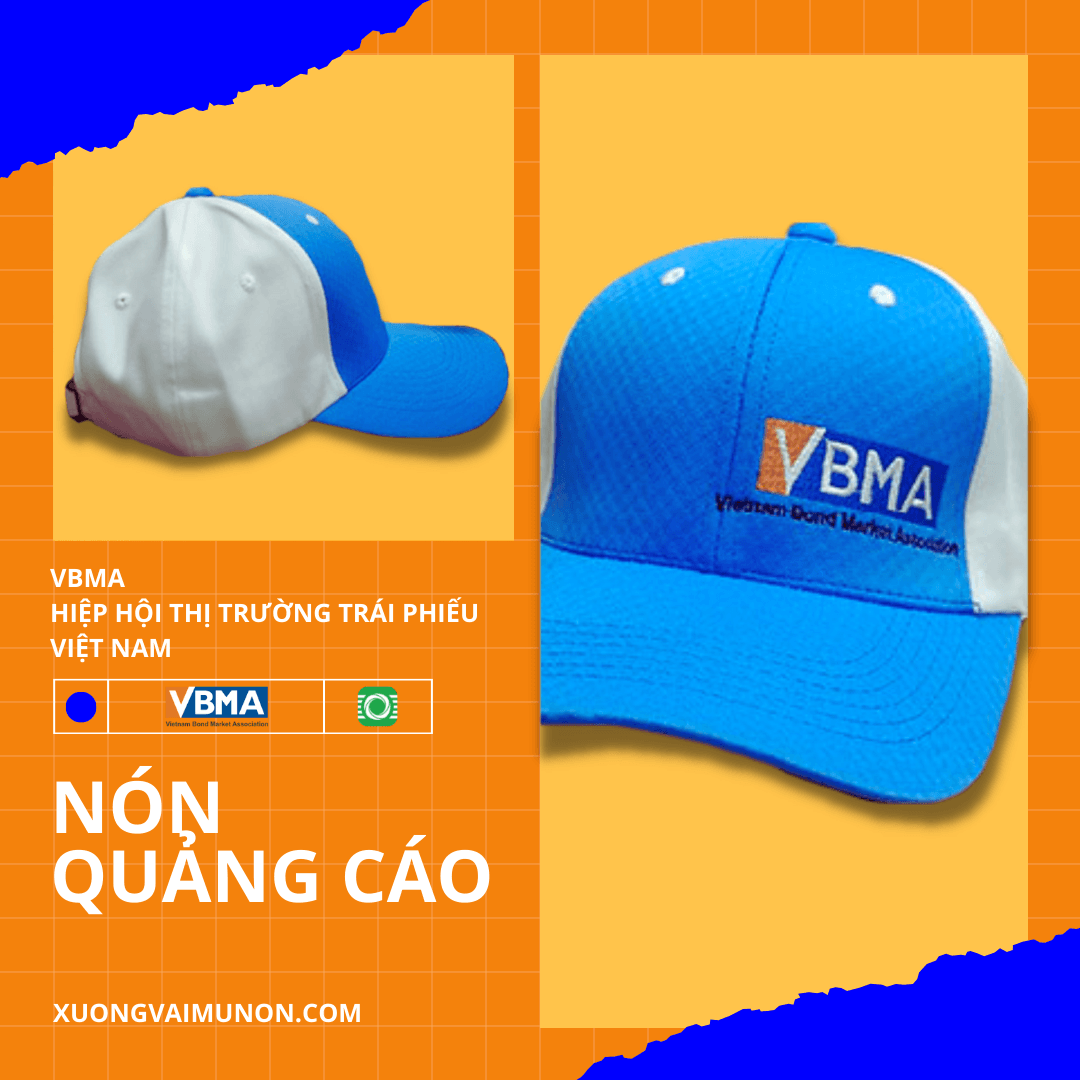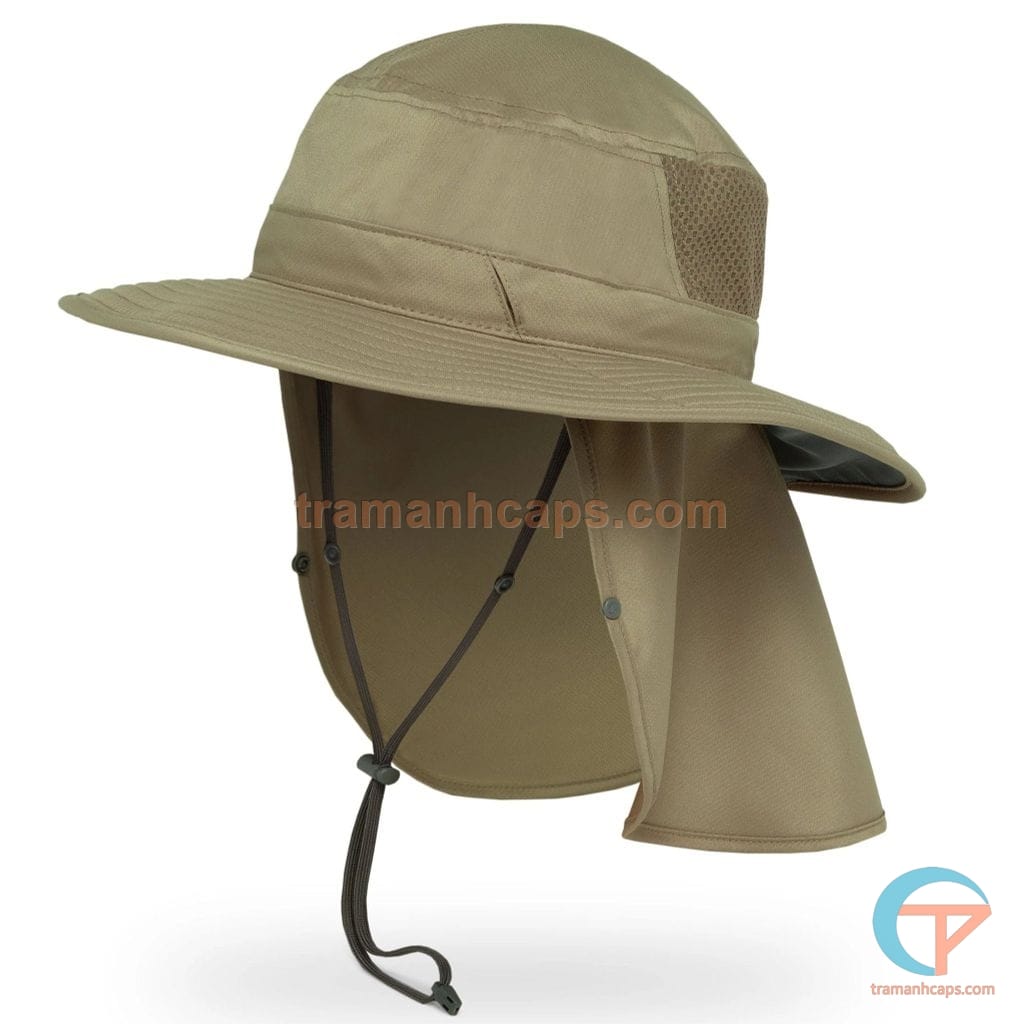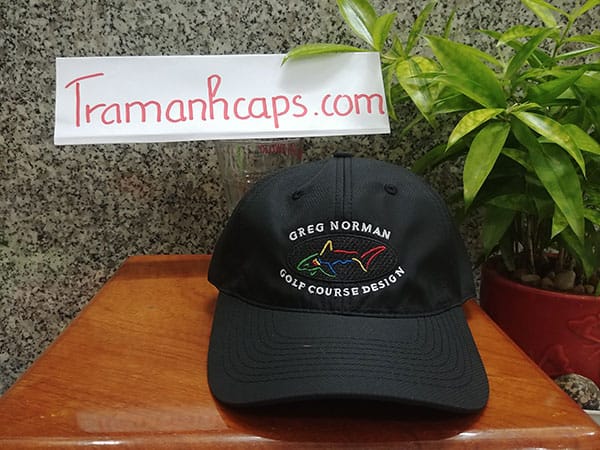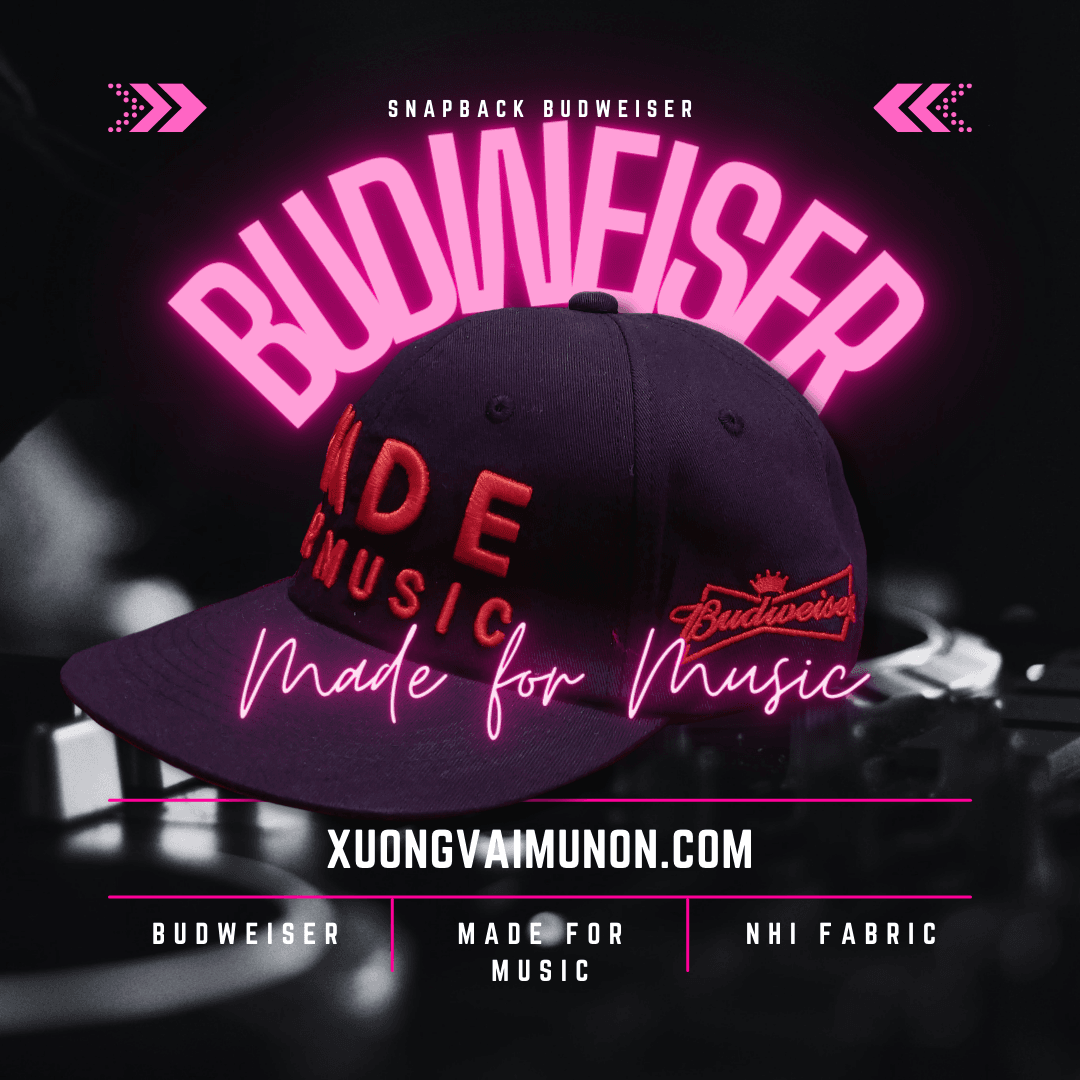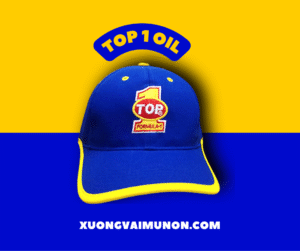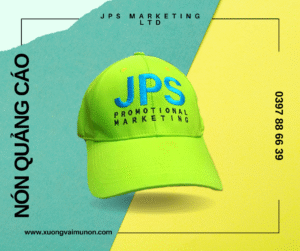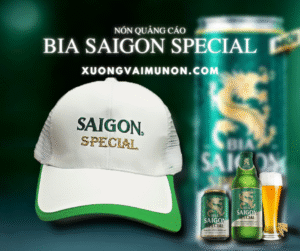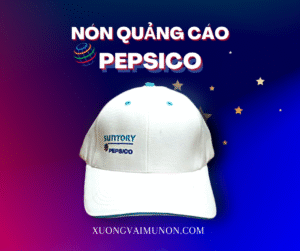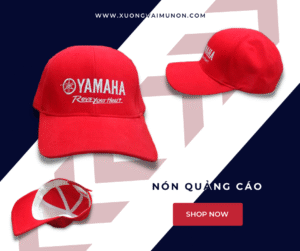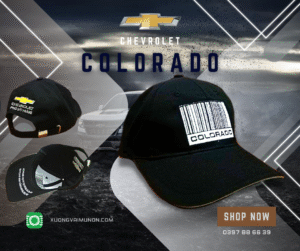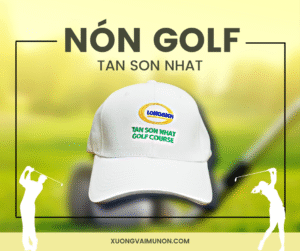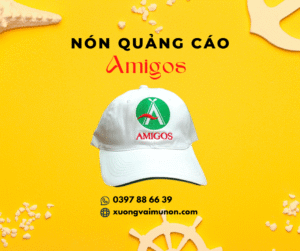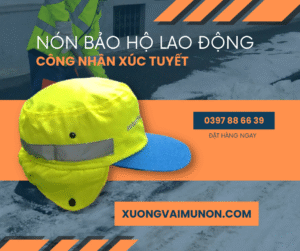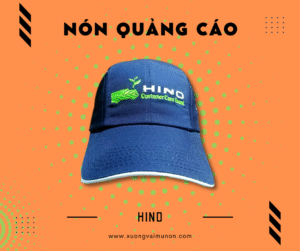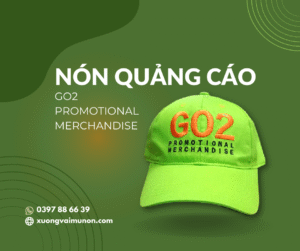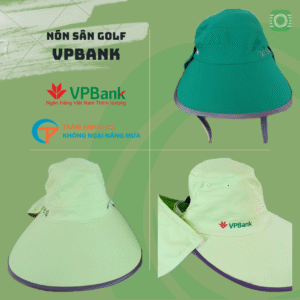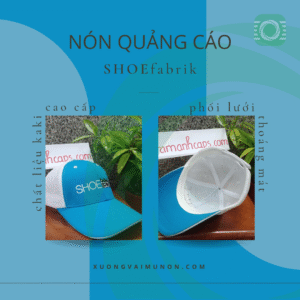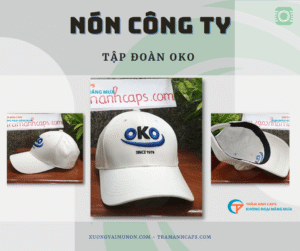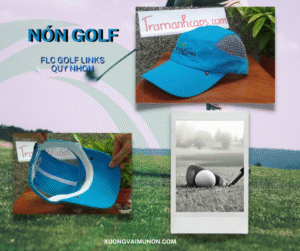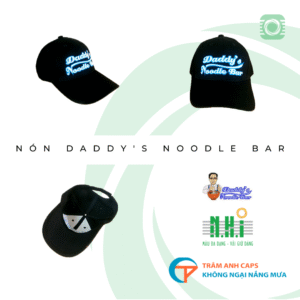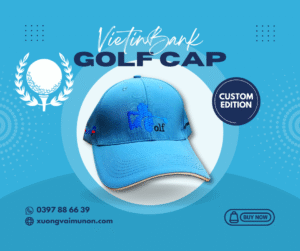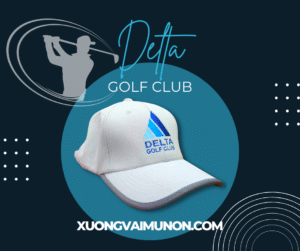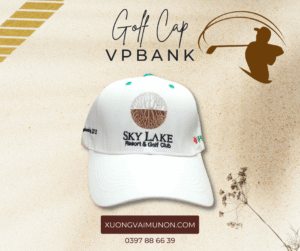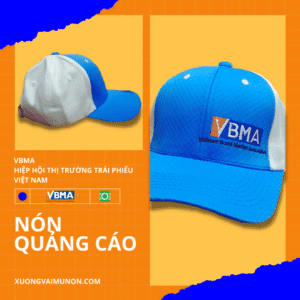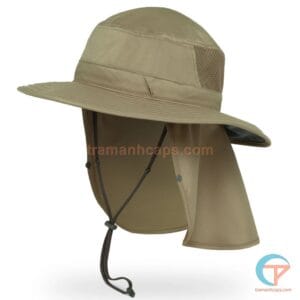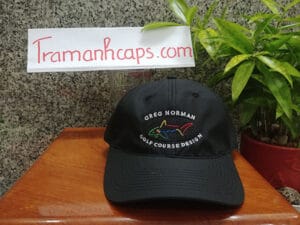
In modern corporate branding and apparel strategy, investing in premium branded caps as plays a crucial role in enhancing brand identity. In most small and medium business marketing budgets, uniform caps are filed under “operating costs” – buy once, hand out, move on. This article looks at the cap from a different angle: not as a cost, but as a mobile marketing channel with a cost-per-impression lower than almost every other advertising format.
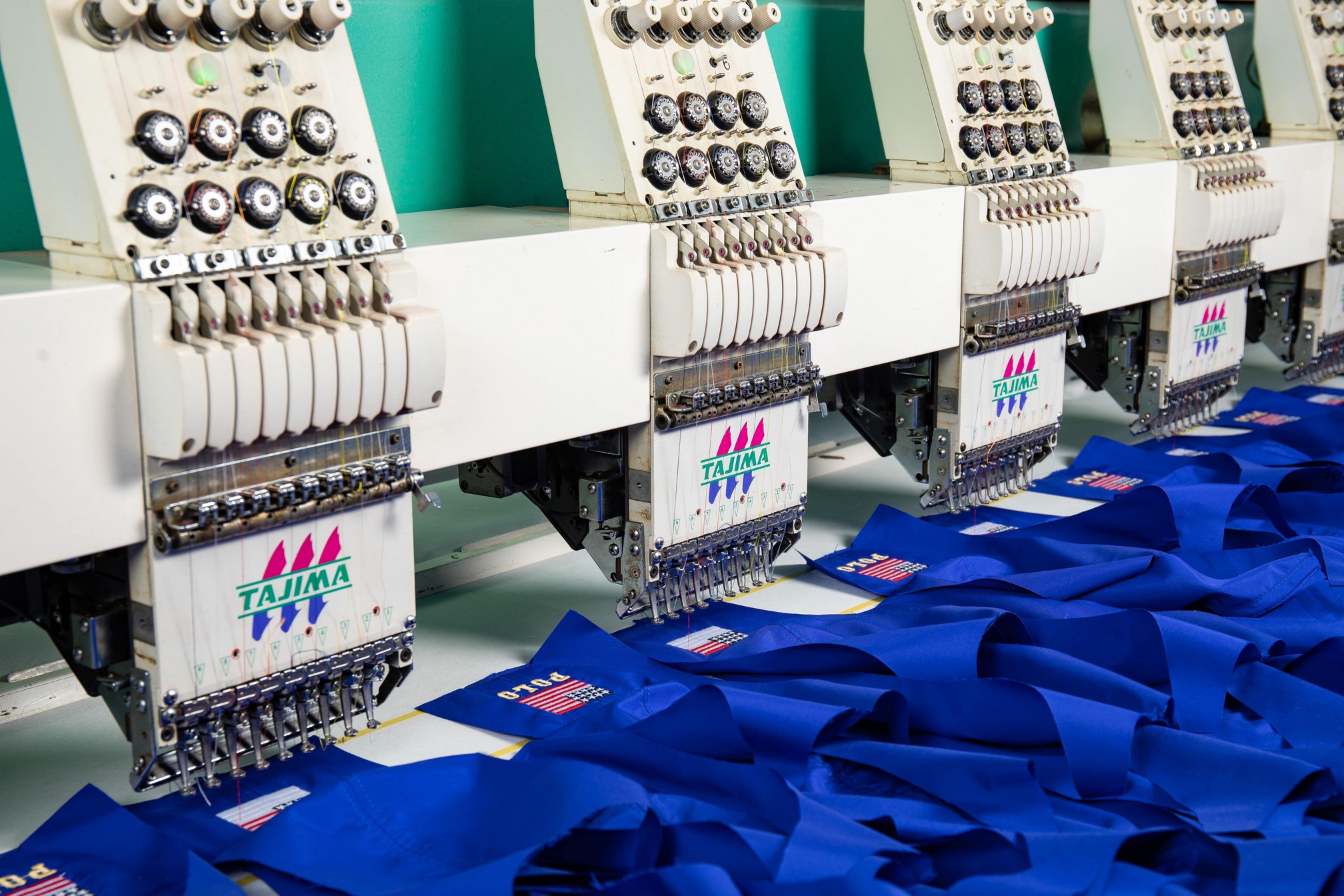
Cost-per-impression: how branded caps compare to other channels – Quality Standards for Branded Caps As A Low-Cost, Long-Term
Run a quick calculation. A good-quality branded cap costs roughly USD 3–6 per unit depending on material and decoration. Assume the cap is worn an average of 100 times over its useful life, and each outing in a public space reaches around 20–30 people nearby.
Cost per impression: $5 ÷ (100 × 25) = $0.002 per impression.
Compare that to digital advertising in Vietnam: Facebook Ads CPM (cost per 1,000 impressions) currently runs between VND 15,000–80,000 depending on industry and audience targeting – roughly $0.0006–$0.003 per impression. That is an impression on a screen, lasting seconds, competing with dozens of other content pieces.
The branded cap displays your logo continuously for as long as the wearer is present – not skippable, not blocked by an ad blocker, requiring no ongoing monthly budget.
💡 The catch: This math only works when the cap is good enough that the recipient actually wants to wear it. A cap made from thin fabric, with a blurry logo and a poorly fitting crown, ends up in a drawer or a bin – not on someone’s head. In that case, the cost is not low. It is wasted.
How branded caps work as a branding tool
Unlike a poster or banner fixed at one location, a branded cap operates as a mobile channel through three mechanisms:
1. Repeated brand exposure
The Mere Exposure Effect in consumer psychology shows that people develop stronger positive associations with things they encounter repeatedly. When employees wear company-branded caps to meet clients, grab coffee, or attend events, the people around them encounter that brand multiple times – at no additional cost.
2. Social proof and credibility signals
When an employee wears a company-branded cap naturally – not out of obligation – it signals genuine engagement with the brand. This is a form of endorsement that is difficult to buy: a real person, not an actor or paid influencer, implicitly vouching for the organization by wearing its identity.
3. Consistency and professional appearance
A team in matching uniforms – including coordinated caps – communicates to clients that they are working with an organized, standards-driven operation. This matters especially for service businesses, F&B chains, logistics companies, and construction firms where staff interact directly with customers in the field.
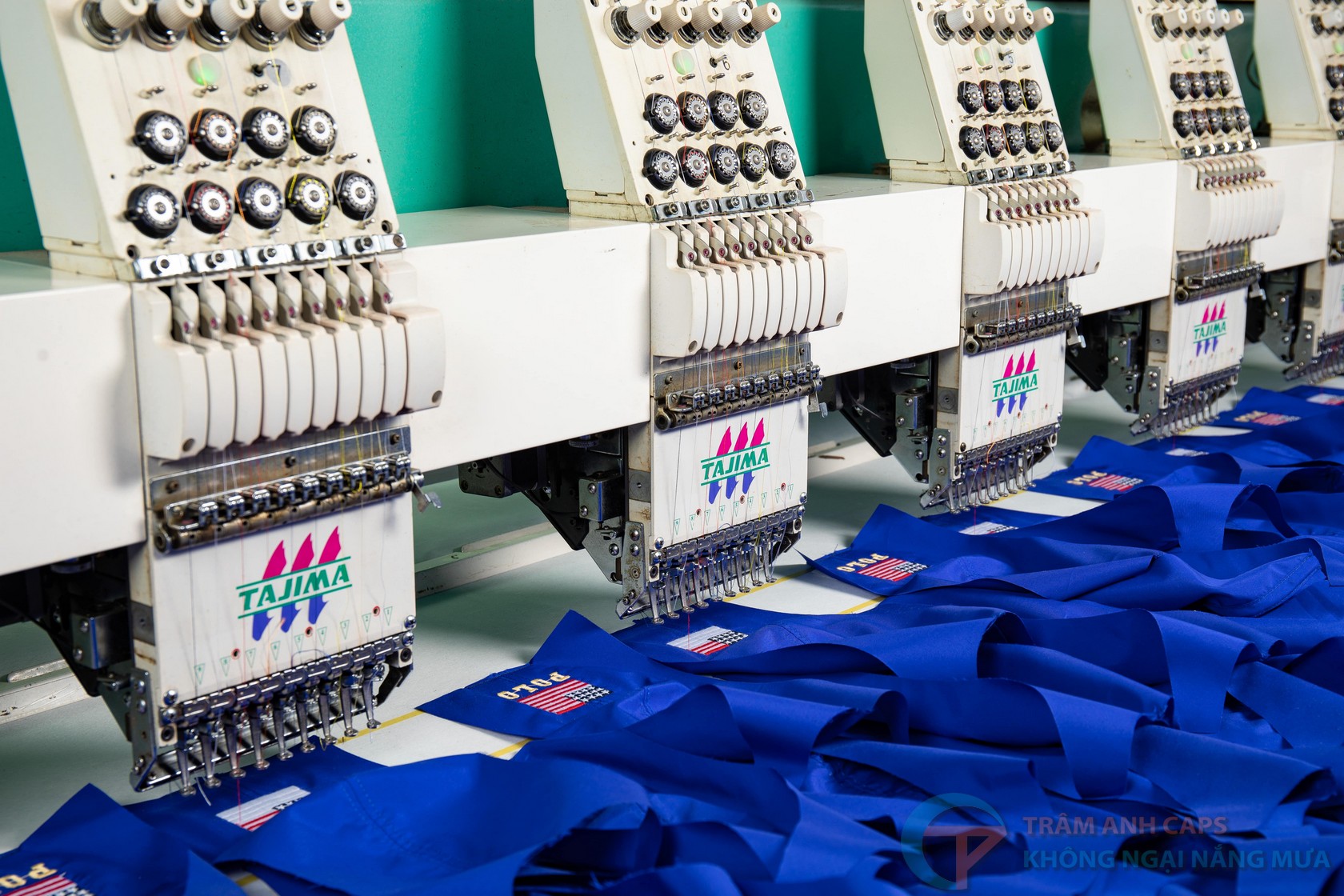
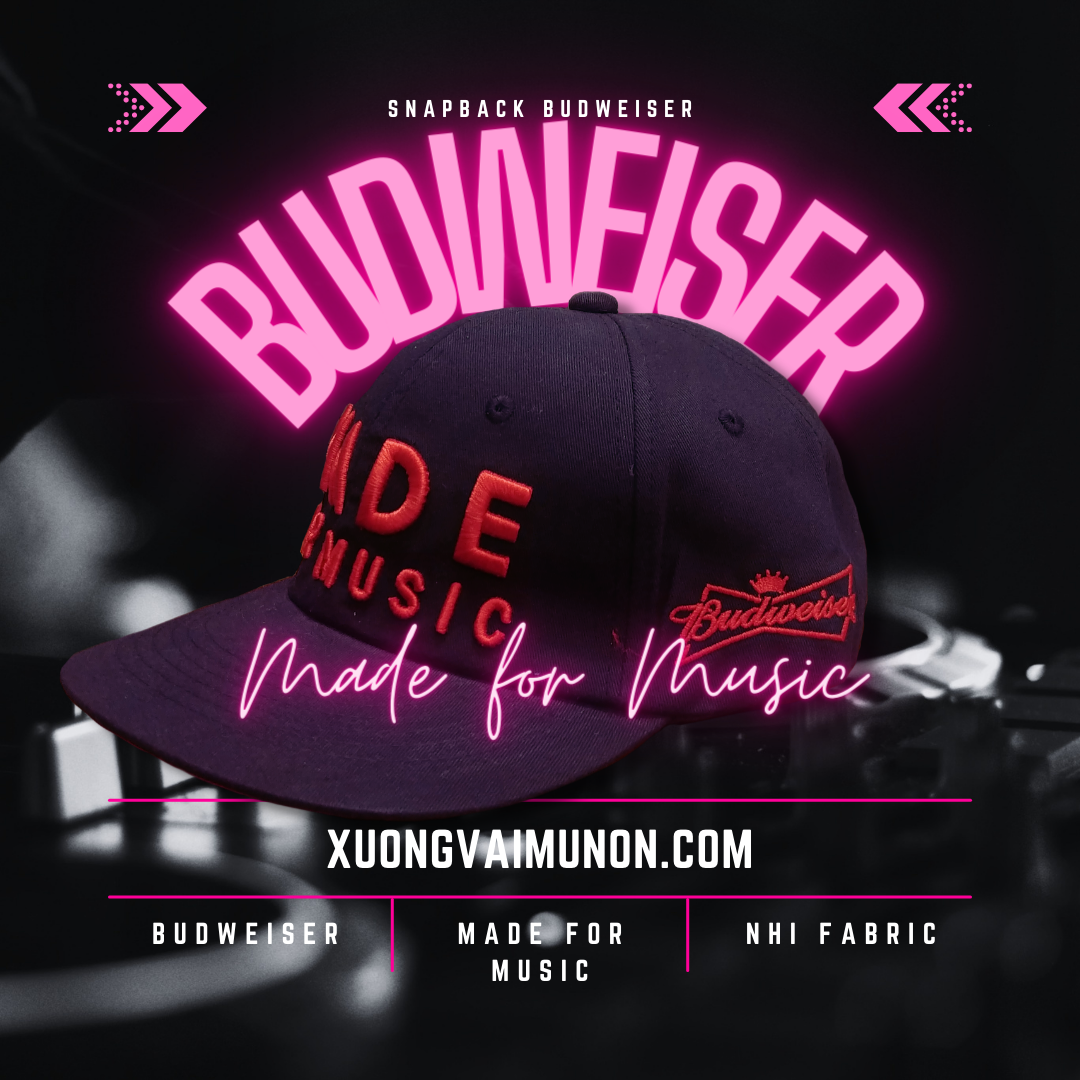
Promotional caps vs uniform caps – two purposes, two different standards
This is where many businesses get confused when budgeting. Event giveaway caps and long-term uniform caps are fundamentally different products with different quality requirements and different ways of measuring success.
| Promotional / event caps | Branded uniform caps | |
|---|---|---|
| Primary purpose | Wide distribution, short-term awareness | Long-term brand representation, repeated recognition |
| Recipients | Anyone at the event | Selected employees, teams, partners |
| Quality standard | Functional, cost-prioritized | Good enough that recipients want to wear it daily |
| Useful life | Short – often used at the event or a few times after | Long – 6 months to several years if quality is adequate |
| How to measure impact | Distribution volume, short-term recall | Wear frequency, employee brand engagement |
If you are ordering caps to hand out at a trade fair or one-off event, prioritizing low cost makes complete sense. But if the goal is building brand presence through your team over the long term, the quality standard needs to be entirely different. Being clear about which objective you are serving before setting the budget will save you from ordering the wrong product for the wrong purpose.
Design principles that make a cap work as a branding tool
Not every cap with a logo automatically becomes an effective branding tool. A few design decisions determine whether the recipient actually wears it.
The logo must be subtle enough not to embarrass the wearer
Nobody wants to feel like a walking billboard. A small logo, placed with intention, using tone-on-tone embroidery – the wearer feels the cap belongs to them, not just to the company. When that is the case, they choose to wear it even outside working hours.
This shift toward restraint in logo treatment is one of the defining cap design trends for 2026, as covered in Corporate cap trends 2026.
Material and construction must be good enough to deserve wearing
Thin fabric that fades after a few washes, a soft crown that loses shape immediately, a stiff and awkward closure – these are the signs of a cap that ends up in a drawer. The branding budget only generates returns when the product is good enough that the recipient genuinely wants to wear it.
Color must fit the brand system and be easy to wear casually
A high-visibility orange cap is appropriate for construction site crews who need to be seen from a distance – but not a color office staff will wear on a weekend coffee run. Finding a color that aligns with the brand identity while remaining easy to pair with everyday clothing maximizes the frequency with which the cap gets worn.
Which industries get the most from branded caps?
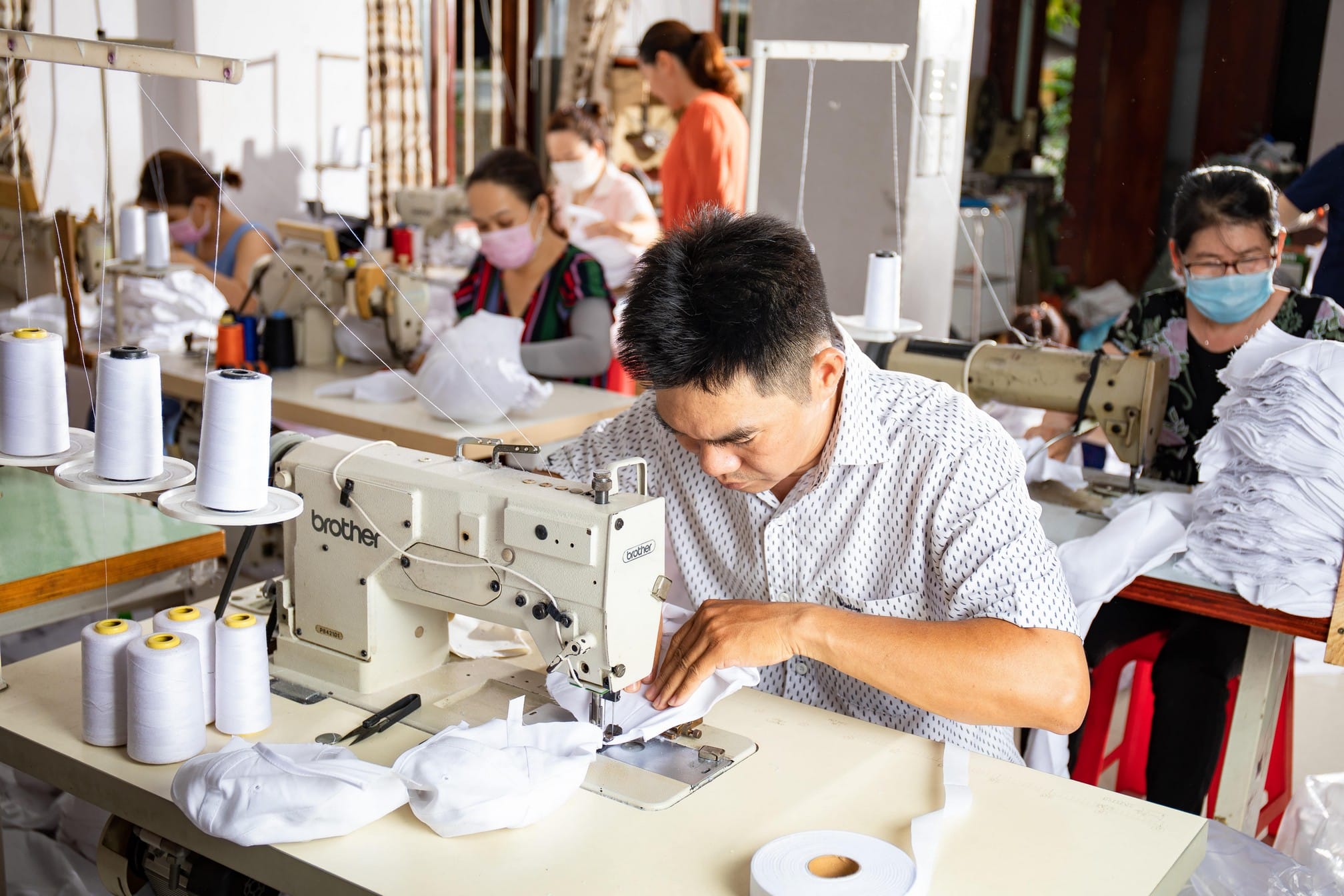
Based on the order profile at Tram Anh Caps, these are the industries ordering branded caps at the highest frequency and using them most effectively:
- F&B chains and retail: Staff in direct, continuous customer contact – the branded cap becomes part of the customer experience the visitor takes away
- Real estate and construction: Field teams and sales staff moving between multiple client locations – a cap gives a professional appearance even in outdoor settings
- Logistics and delivery: Drivers and warehouse staff are the brand’s face at every customer touchpoint – a recognizable cap makes the brand memorable across many interactions
- Events and MICE: Uniformed organizing staff help attendees identify support quickly while projecting a professional brand image for the organizing company
- Startups and tech companies: Strong team culture, frequent appearances at industry events – the branded cap becomes part of a shared team identity
A realistic budget starting point
The most practical question: how much investment does it take for a cap to actually function as a branding tool?
There is no universal answer – but there is a practical threshold. The cap needs to be good enough that the recipient perceives it as something with real value, not a throwaway giveaway. In Vietnam’s current market, that threshold generally falls around VND 80,000–130,000 per unit for mid-range quantities (200–500 pieces), depending on fabric type and logo decoration method.
More important than the number is getting the spec right: correct fabric weight, logo embroidered to the right brand color, crown construction that holds shape after washing. If you are not sure which combination fits your budget and objectives, the full ordering guide is a good starting point: A-to-Z guide to ordering custom corporate caps.
Want caps good enough that your team actually chooses to wear them?
Tram Anh Caps handles design consultation and production to spec – from material selection and brand color matching to on-time delivery. Free quote within 24 hours.
📞 +84 916 381 830 (Mr. Dao) | [email protected] | Contact us →
Reference international textile and garment manufacturing benchmarks at Textile Manufacturing Industry Overview.